
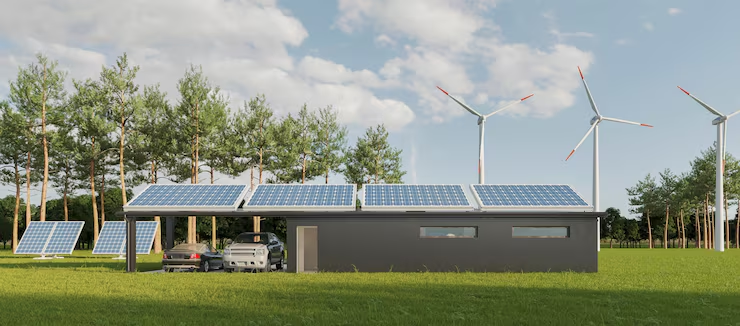
Living on the Big Island offers incredible natural beauty, but it also means dealing with some of the highest electricity rates in the nation. For homeowners who have already invested in solar panels or are considering making the switch, there’s a crucial component that can maximize your energy independence: solar batteries.
Solar batteries transform your solar panel system from a daytime-only power source into a comprehensive 24/7 energy solution. They store excess energy generated during sunny hours and release it when you need it most, during evening peak hours, cloudy days, or power outages. This capability is particularly valuable on the Big Island, where reliable grid power can be a concern in some areas and electricity costs continue to rise.
In this comprehensive guide, we’ll explore everything you need to know about solar batteries: how they work, their benefits and limitations, how to choose the right system for your home, and what to expect in terms of costs.
Ready to achieve energy independence? Contact Bluesky Hawaii today for a free solar battery consultation and discover how much you could save!
What Are Solar Panel Batteries?
Solar panel batteries, also known as solar energy storage systems or solar batteries, are rechargeable battery systems designed to store the excess electricity generated by your solar panels during peak sunlight hours. Unlike traditional solar panel systems that feed excess power back to the grid or let it go to waste, solar batteries capture this valuable energy and save it for later use.
These advanced storage systems act as your personal power bank, ensuring that the clean energy you generate is not wasted and is available precisely when you need it most.
Modern solar batteries typically use lithium-ion technology, the same proven technology found in electric vehicles and smartphones, but scaled up for home energy storage. These batteries are designed to withstand thousands of charge and discharge cycles, with many manufacturers offering warranties of 10 years or more. They’re engineered specifically for the unique demands of residential solar systems, including the ability to handle partial charges, deep discharges, and the daily cycling that comes with storing solar energy.
The Role of Solar Batteries
1. Energy Storage and Time-Shifting
The primary role of solar batteries is to store excess energy produced during daylight hours for use during evening and nighttime hours. This function, known as time-shifting, allows you to maximize the value of every kilowatt-hour your panels produce. On the Big Island, where sunshine is abundant, but electricity rates can exceed 40 cents per kWh during peak evening hours, this time-shifting capability can result in substantial savings.
With batteries, you’re essentially banking your cheapest energy source, your own solar power, and using it during the most expensive times. This not only reduces your electric bill but also decreases your reliance on grid electricity, which on the Big Island often comes from fossil fuel sources.
2. Backup Power During Outages
One of the most valuable roles solar batteries play is providing backup power during grid outages. The Big Island, like many island communities, can experience power interruptions due to weather events, equipment failures, or scheduled maintenance. When paired with appropriate backup capabilities, solar batteries ensure that critical appliances, refrigerators, medical equipment, communication devices, and lighting continue operating even when the grid goes down.
Unlike traditional backup generators that require fuel and regular maintenance, solar batteries combined with your solar panels can provide indefinite backup power as long as the sun continues to shine.
3. Grid Independence and Self-Sufficiency
Solar batteries play a crucial role in achieving true energy independence. While solar panels alone can reduce your dependence on the utility company, they still require the grid during non-sunny hours. Batteries bridge this gap, allowing homeowners to generate, store, and consume their own electricity without relying on external power sources. This level of self-sufficiency is not just about cost savings; it’s about energy security and autonomy.
For Big Island homeowners, this independence is especially meaningful given Hawaii’s commitment to 100% renewable energy by 2045. By installing solar batteries, you’re not only taking control of your own energy future but also contributing to the state’s clean energy goals.
4. Maximizing Solar Investment Return
Solar batteries maximize the return on your solar panel investment by ensuring that virtually all the energy your panels produce is used beneficially.
On the Big Island, where solar production can be excellent but net metering credits may not fully offset the retail cost of evening electricity, batteries allow you to consume all your solar energy at full retail value. This enhanced utilization of your solar investment can significantly improve your payback period and lifetime savings. Additionally, as utility rates continue to rise, which they historically have in Hawaii, the value of your stored solar energy increases over time, making your battery investment more valuable year after year.
5. Peak Demand Management
Solar batteries help manage your energy consumption during peak demand periods when electricity is most expensive. Many utility companies, including those serving the Big Island, use time-of-use (TOU) rates that charge higher prices for electricity during peak hours, typically evenings when everyone comes home and turns on appliances, air conditioning, and lights. Solar batteries allow you to avoid these peak charges by using your stored solar energy instead of drawing from the grid.
6. Increasing Property Value
Solar batteries play an increasingly important role in enhancing property value. Homes equipped with solar panels and battery storage systems are becoming more attractive to buyers, particularly in markets like Hawaii where energy costs are a significant consideration for homeowners. Studies have shown that homes with solar installations sell faster and often command premium prices, and this effect is amplified when battery storage is included.
For Big Island real estate, solar-plus-storage systems represent a tangible asset that reduces operating costs and provides energy security—two factors that resonate strongly with buyers.
7. Environmental Impact Reduction
The environmental role of solar batteries extends beyond simply storing clean energy. By enabling homeowners to use more of their solar-generated electricity and less grid power, batteries help reduce reliance on fossil fuel generation. On the Big Island, a significant portion of grid electricity still comes from petroleum-based power plants. Every kilowatt-hour you draw from your battery instead of the grid represents avoided fossil fuel combustion, reducing carbon emissions and other pollutants.
Furthermore, solar batteries support the broader integration of renewable energy into the grid. As more homeowners install battery systems, it creates a distributed network of energy storage that can help balance the grid’s renewable energy resources. By storing excess renewable energy when it’s abundant and releasing it when needed, batteries play a crucial role in Hawaii’s transition to a 100% clean energy future.
How Do Solar Batteries Work?
Understanding how solar batteries work helps homeowners make informed decisions about their energy storage needs. The process involves four key steps that work together to capture, store, and deliver clean solar energy to your home.
Step 1: Solar Energy Generation and Conversion
The process begins when your solar panels capture sunlight and convert it into direct current (DC) electricity. This DC power flows from your panels to your solar inverter, which converts it into alternating current (AC) electricity, the type your home appliances use. In systems with battery storage, there’s an additional component called a battery inverter or hybrid inverter that manages the flow of electricity between your solar panels, battery, home, and the grid. This intelligent device continuously monitors your energy production and consumption, making split-second decisions about where electricity should flow.
During peak sunlight hours when your panels are producing more energy than your home is consuming, the inverter directs this excess power to charge your battery rather than immediately sending it to the grid.
Step 2: Energy Storage in Battery Cells
Once directed to the battery, the excess solar energy is stored in battery cells through an electrochemical process. In lithium-ion batteries, the most common type for residential solar storage, this involves lithium ions moving from the positive electrode (cathode) to the negative electrode (anode) through an electrolyte solution. This movement and storage of ions represent stored electrical energy that can be released later.
The battery management system (BMS) carefully controls this charging process to optimize battery health, prevent overcharging, and ensure safe operation. It monitors temperature, voltage, and current across individual cell groups, balancing the charge levels to maximize capacity and lifespan. A fully charged battery represents a reservoir of clean energy ready for use whenever you need it.
Step 3: Intelligent Energy Management and Discharge
When your home needs electricity, and your solar panels aren’t producing enough power, such as during evening hours, cloudy periods, or nighttime, your battery system automatically begins discharging stored energy. The battery inverter converts the stored DC electricity back into AC power for your home’s use. Modern battery systems use sophisticated software algorithms to manage this discharge process intelligently. The system considers factors like time-of-use electricity rates, weather forecasts, your typical consumption patterns, and your backup power reserve requirements.
For example, if your utility charges higher rates during evening peak hours, your battery system will prioritize using stored energy during these expensive periods while preserving enough capacity for potential outages. This smart management ensures you’re maximizing both economic and practical benefits from your battery.
Step 4: Grid Interaction and Backup Switching
The final component of how solar batteries work involves their interaction with the electrical grid and their backup power capabilities. Your battery system is connected to the grid through a device called an automatic transfer switch or gateway. If your battery is depleted and solar production is insufficient, the system automatically draws from the grid. Conversely, if your battery is full and you’re producing excess solar energy, it can be exported to the grid if you choose.
This islanding capability, the ability to operate independently from the grid, is what provides true backup power security. When grid power is restored, the system seamlessly reconnects, often without you even noticing the transition. This continuous cycling of charging, discharging, and grid management happens automatically, day after day, optimizing your energy use and providing reliable power without requiring any input from you.
Benefits of Using Solar Batteries
Solar batteries offer numerous advantages for Big Island homeowners looking to maximize their solar investment and achieve greater energy independence:
• 24/7 Solar Power Availability: Store excess daytime solar energy for use during evenings and nights, eliminating the solar panel limitation of daytime-only power generation.
• Significant Electricity Cost Savings: Reduce or eliminate peak-hour electricity charges by using stored solar energy during expensive evening rate periods, which is particularly valuable given Hawaii’s high electricity costs.
• Reliable Backup Power: Keep essential appliances, medical equipment, and critical systems running during grid outages without relying on noisy, fuel-dependent generators.
• Energy Independence: Reduce dependence on utility companies and fossil fuel-based grid electricity, achieving greater self-sufficiency and protection from rate increases.
• Environmental Benefits: Maximize your use of clean solar energy and minimize reliance on fossil fuel generation, reducing your carbon footprint and supporting Hawaii’s renewable energy goals.
• Increased Property Value: Homes with solar-plus-storage systems are increasingly attractive to buyers and may command premium prices in the real estate market.
• Smart Energy Management: Advanced battery systems optimize energy use based on time-of-use rates, weather forecasts, and your consumption patterns, automatically maximizing savings.
• Grid Support Opportunities: Participate in utility demand response programs and virtual power plant initiatives that may provide additional compensation for grid services.
• Protection from Rate Volatility: Shield yourself from utility rate increases and fossil fuel price fluctuations by relying on your own stored solar energy.
• Quiet and Clean Operation: Unlike backup generators, solar batteries operate silently without emissions, fuel requirements, or regular maintenance needs.
• Federal Tax Incentives: Battery systems installed with solar panels qualify for the federal Investment Tax Credit (ITC), which can cover 30% of the total system cost.
• Long Lifespan: Modern lithium-ion solar batteries typically last 10-15 years or more with warranties backing thousands of charge cycles.
Disadvantages of Using Solar Batteries
While solar batteries offer significant benefits, it’s important to understand their limitations and challenges:
• High Upfront Cost: Solar battery systems represent a substantial initial investment, typically ranging from $8,000 to $15,000 or more, which can extend the payback period of your solar installation.
• Limited Storage Capacity: Batteries can only store a finite amount of energy, typically enough to power essential loads for several hours to a couple of days, not indefinitely during extended outages without solar production.
• Degradation Over Time: Like all battery systems, solar batteries gradually lose capacity over time, typically retaining 70-80% of original capacity after 10 years of regular use.
• Space Requirements: Battery systems require dedicated installation space, typically wall-mounted or floor-standing units that need adequate ventilation and climate control in some cases.
• Complex Installation: Battery installations require professional expertise, electrical permits, and potential electrical panel upgrades, adding to installation complexity and cost.
• Temperature Sensitivity: Battery performance and lifespan can be affected by extreme temperatures, though this is less of a concern in Hawaii’s moderate climate compared to mainland locations.
• Energy Conversion Losses: The process of storing and retrieving energy involves conversion losses—typically 10-15% of energy is lost in the round-trip charging and discharging process.
• Technology Evolution: Battery technology continues to advance rapidly, meaning systems purchased today may be superseded by more efficient, cheaper options in the future.
• Maintenance and Monitoring: While minimal compared to generators, batteries still require periodic software updates, monitoring, and eventual replacement after their useful life.
• Weight and Structural Considerations: Large battery systems can be heavy (300-500 pounds), requiring proper mounting and potentially reinforced walls or foundations.
• Regulatory and Interconnection Complexity: Battery installations must comply with local building codes, utility interconnection requirements, and may face delays in permitting and approval processes.
How to Choose the Right Solar Battery?
Selecting the right solar battery for your Big Island home requires careful consideration of several key factors:
Battery Capacity and Power Rating
Battery capacity, measured in kilowatt-hours (kWh), determines how much energy your battery can store, while power rating (measured in kilowatts) indicates how much power it can deliver at once. Assess your household’s daily energy consumption and identify which loads you want to power during outages.
For example, a 10 kWh battery might run essential appliances for 8-12 hours, while a 20 kWh system could power your entire home for a full day or more. Consider your typical evening and nighttime usage patterns to determine appropriate capacity. Also, evaluate the power rating to ensure the battery can handle simultaneous operation of your critical appliances: air conditioning, refrigerators, and well pumps draw significant power and require batteries with adequate power output capabilities.
Battery Chemistry and Technology
The most common battery chemistry for residential solar storage is lithium-ion, specifically lithium iron phosphate (LFP) and nickel manganese cobalt (NMC) variants. LFP batteries offer excellent safety characteristics, longer cycle life, and better thermal stability, making them ideal for Hawaii’s climate. NMC batteries typically provide higher energy density, meaning more storage in a smaller package, but may have slightly shorter lifespans. Both technologies are proven and reliable.
Lead-acid batteries, while cheaper upfront, have shorter lifespans, lower depth of discharge, and require more maintenance, making them less attractive for most Big Island homeowners. When evaluating battery chemistry, consider factors like cycle life (number of charge-discharge cycles before significant degradation), depth of discharge (how much of the battery’s capacity you can safely use), and temperature operating range.
Warranty and Expected Lifespan
Carefully review battery warranties, which typically guarantee a certain percentage of capacity (often 70-80%) after a specified number of years or charge cycles, whichever comes first. A standard warranty might be 10 years or 4,000 cycles at 70% capacity retention. Longer warranties with higher capacity retention indicate manufacturer confidence in their product’s longevity.
Pay attention to warranty terms: some manufacturers cover full replacement, while others offer prorated coverage. Also, considering the manufacturer’s reputation and track record, a 15-year warranty from an established company holds more value than the same warranty from a startup.
Inverter Compatibility and System Integration
Ensure your chosen battery is compatible with your existing solar inverter or determine if you need a new hybrid inverter that can manage both solar production and battery storage. Some batteries come with integrated inverters (AC-coupled systems), while others require separate battery inverters (DC-coupled systems).
AC-coupled systems are often easier to add to existing solar installations, while DC-coupled systems may be more efficient for new installations. Verify that the battery’s monitoring and control systems are compatible with your preferences for app-based management and energy tracking.
Budget and Financial Incentives
Establish a realistic budget that includes not just the battery unit itself but also installation costs, necessary electrical upgrades, permits, and any additional components. Battery systems for Big Island homes typically range from $8,000 to $20,000, depending on capacity and features. Factor in available incentives: the federal Investment Tax Credit currently offers a 30% tax credit for battery systems installed with solar panels.
Some manufacturers and installers offer financing options with attractive terms that can make the upfront cost more manageable. Calculate your expected payback period based on your electricity savings, considering Hawaii’s high utility rates.
Local Regulations and Installer Expertise
Choose a battery system that meets all local building codes, fire safety requirements, and utility interconnection standards for Hawaii County. Work with installers who have extensive experience with battery installations, specifically in Hawaii. Local expertise matters when dealing with Hawaii’s unique permitting processes, building codes, and utility requirements. Verify that your installer is properly licensed, insured, and certified by the battery manufacturer to perform installations. Ask about their experience with your specific battery brand and their track record for obtaining permits and utility approvals.
How Much Do Solar Panel Batteries Cost in Big Island?
The cost of solar battery systems on the Big Island varies considerably based on battery capacity, brand, installation complexity, and additional equipment requirements. For a typical residential installation, homeowners can expect to invest between $8,000 and $20,000 for a complete battery storage system. Entry-level systems with 10-13 kWh of storage capacity from reputable manufacturers like Tesla Powerwall, LG Chem, or Enphase typically start around $10,000 to $13,000 installed, including the battery unit, inverter (if needed), installation labor, permits, and basic electrical work.
Mid-range systems offering 15-20 kWh of capacity generally cost $14,000 to $18,000, while larger systems or premium brands with advanced features can exceed $20,000. These prices reflect the fully installed cost, but before applying the 30% federal Investment Tax Credit, which can reduce out-of-pocket expenses by $3,000 to $6,000 or more.
When evaluating costs, consider the total cost of ownership over the battery’s lifetime, including any maintenance requirements and eventual replacement costs, rather than focusing solely on the upfront price.
How Many Solar Batteries Are Needed to Run a Household?
The number of solar batteries needed for a Big Island household depends on daily energy use, backup goals, and which appliances you want to run during outages. For basic backup of essentials like lights and refrigerators, one 10–13 kWh battery is often enough, while whole-home backup typically requires 2–3 batteries. Homes seeking multiple days of energy independence may need 3–5 batteries or more, and many Big Island homeowners choose expandable systems to add storage as needs grow.
Take Control of Your Energy Future Today
Ready to power your Big Island home 24/7 with clean, reliable solar energy? Bluesky Hawaii is here to help you achieve true energy independence. Our expert team will design a custom solar battery solution that meets your specific needs, handles all permits and installation, and ensures you maximize your savings while contributing to Hawaii’s renewable energy future. Don’t let high electricity rates and power outages control your life, take charge with solar battery storage.
Frequently Asked Questions
1. Can solar batteries power my entire home during an outage?
Yes, solar batteries can power your entire home during outages, but the duration depends on your battery capacity and energy consumption. A single 10-13 kWh battery typically handles essential loads for 8-12 hours, while 2-3 batteries can run most homes for 24 hours or more. Whole-home backup capability requires adequate battery capacity and proper system configuration by a qualified installer.
2. How long do solar batteries last?
Modern lithium-ion solar batteries typically last 10-15 years with warranties covering 10 years or 4,000-6,000 cycles at 70-80% capacity retention. Actual lifespan depends on usage patterns, depth of discharge, operating temperature, and maintenance. Many batteries continue functioning beyond their warranty period at reduced capacity, and Hawaii’s moderate climate helps extend battery life compared to extreme temperature environments.
3. Are solar batteries worth the investment on the Big Island?
For most Big Island homeowners, solar batteries are an excellent investment due to Hawaii’s extremely high electricity rates (35-45 cents per kWh), frequent rate increases, and the value of backup power security. With the 30% federal tax credit, typical payback periods range from 7-12 years, after which you enjoy essentially free stored solar energy. The combination of cost savings, energy independence, and backup power protection makes batteries particularly valuable in Hawaii.
4. Can I add batteries to my existing solar panel system?
Yes, batteries can typically be added to existing solar systems through AC-coupled battery solutions that work with your current inverter. However, you may need to upgrade your inverter or add a battery-specific inverter depending on your system configuration. A qualified installer can assess your existing system and recommend the best retrofit option. Keep in mind that battery-only installations may not qualify for the full federal tax credit unless specific conditions are met.
5. What happens to my solar batteries during hurricanes or severe weather?
Solar batteries are designed to withstand typical weather conditions and should be installed in protected locations according to manufacturer specifications and local building codes. During severe weather, your battery will continue providing backup power as long as it has a charge. If hurricane conditions are forecast, you can charge your batteries to full capacity beforehand.
6. Do solar batteries require maintenance?
Lithium-ion solar batteries require minimal maintenance compared to older battery technologies. There are no fluids to check or terminals to clean. Primary maintenance involves monitoring system performance through the manufacturer’s app or monitoring platform, ensuring adequate ventilation around the unit, and keeping the area clean and dry. Periodic software updates may be required, which are often performed remotely by the manufacturer. Most maintenance is handled by your installer during occasional check-ups.
7. Will solar batteries work during extended cloudy periods?
Solar batteries will continue to power your home as long as they have stored charge, but they require solar production to recharge. During extended cloudy periods, your panels will still produce some electricity, typically 10-25% of their sunny-day output, which can partially recharge your batteries. If you remain grid-connected, the grid automatically supplements your energy needs when batteries are depleted.
8. What size battery system do I need for my Big Island home?
Battery sizing depends on your daily energy consumption, backup goals, and budget. Most Big Island homes need 10-20 kWh of storage for essential backup and evening load coverage. Smaller homes with modest consumption (15-20 kWh/day) may be well-served by a single 10-13 kWh battery, while larger homes or those seeking whole-home backup typically need 20-30 kWh (2-3 batteries). A professional assessment analyzing your actual usage patterns, critical loads, and goals will determine the optimal size for your specific situation.
Conclusion
Solar batteries represent a transformative technology for Big Island homeowners seeking energy independence, cost savings, and reliable backup power. By storing excess solar energy generated during the day for use during evenings, nights, and power outages, these advanced storage systems maximize the value of your solar investment while reducing dependence on Hawaii’s expensive grid electricity.
As battery technology continues to improve and costs gradually decline, the value proposition for Big Island homeowners will only strengthen. Hawaii’s commitment to 100% renewable energy by 2045, coupled with ongoing grid challenges and rising electricity rates, makes now an excellent time to consider adding battery storage to your home.
By partnering with experienced local installers like Bluesky Hawaii, you can navigate the complexities of system selection, permitting, and installation with confidence, ensuring your battery storage system is properly sized, professionally installed, and optimized for your specific needs.


Recent Comments