
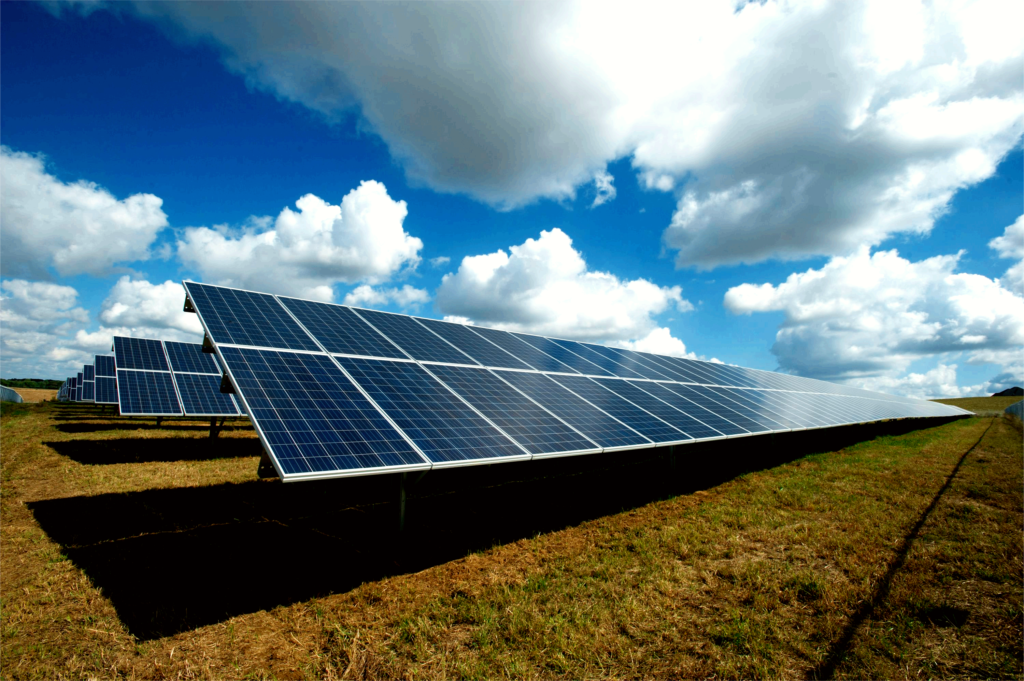
Tropical climate, like heat, humidity, salt air, and strong winds, can shorten the lifespan of low-quality solar panels. Choosing the wrong solar panels can lead to reduced energy production, faster degradation, costly repairs, and missed savings, especially in coastal or high-sun areas like the Big Island.
The right solar panels, designed for high efficiency and extreme climate durability, can maximize energy output, lower monthly bills, and deliver reliable performance for decades in Hawaii’s unique environment. Contact us today to install the best solar solution for your home or business.
What to Consider Before Buying Solar Panels for Hawaii
Hawaii’s climate and energy landscape require more than just standard solar panels. Homeowners should focus on long-term performance, resilience, and compatibility with local utility programs to ensure maximum return on investment.
Key factors to consider:
- High efficiency: Limited roof space means you need panels that produce more power per square foot.
- Low temperature coefficient: Panels should maintain output even in high heat.
- Salt-mist & humidity resistance: Essential for coastal and island environments.
- Wind & weather ratings: Panels must withstand strong trade winds and storms.
- Warranty & degradation rate: Long warranties protect your investment over time.
Choosing panels optimized for these conditions ensures consistent energy production and long-term savings.
Best Solar Panels for Hawaii
1- Maxeon Solar Panels
Maxeon panels are among the most efficient solar panels available, making them ideal for Hawaii homes with limited roof space. Their unique cell design minimizes power loss and performs exceptionally well in hot climates.
Benefits:
- Industry-leading efficiency (22–23%+)
- Extremely low annual degradation rate
- Outstanding performance in high heat
- Long-term warranties (often 25–40 years)
- Excellent choice for premium residential systems
2- REC Alpha Series
REC Alpha panels combine high efficiency with rugged durability, making them a top choice for coastal and tropical regions like Hawaii. They are engineered to handle humidity, salt air, and high temperatures.
Benefits:
- High efficiency (~22%+)
- Strong output during hot afternoons
- Certified salt-mist corrosion resistance
- Excellent performance in partial shading
- Balanced price-to-performance value
3- Panasonic EverVolt / HIT Panels
Panasonic panels are well known for their reliability and strong temperature performance. Their hybrid cell technology allows them to maintain efficiency even during Hawaii’s warmest days.
Benefits:
- Stable performance in high heat
- Strong low-light and cloudy-day output
- Proven durability in tropical climates
- Trusted global brand with solid warranties
- Great option for long-term reliability
4- Hanwha Q CELLS (Q.PEAK / Q.TRON)
Q CELLS panels offer a strong balance between cost and performance. They are widely used in Hawaii due to their reliability, durability, and affordability.
Benefits:
- Solid efficiency (20–22%+)
- Reliable output in hot, sunny conditions
- Durable frame design for wind resistance
- More budget-friendly than premium brands
- Ideal for homeowners seeking value
5- Hyundai N-Type TOPCon Panels
Hyundai’s N-Type TOPCon panels are a newer high-efficiency option designed for improved heat tolerance and long-term performance, well-suited for Hawaii’s intense sun exposure.
Benefits:
- High efficiency (22%+)
- Lower power loss in hot weather
- Strong durability and corrosion resistance
- Bifacial options for increased energy capture
- Excellent for maximizing annual production
Best Solar Panels Comparison
| Panel / Brand | Best For | Technology Used | Typical Efficiency | Ideal Scenario |
| Maxeon (SunPower) | Highest efficiency & longevity | IBC / Premium Monocrystalline | ~22–24% | Limited roof space, long-term savings & high heat tolerance; premium choice |
| REC Alpha Series | Balance of high performance & durability | HJT (Heterojunction) | ~22–23% | Hot, humid, coastal conditions; strong everyday yield |
| Hanwha Q CELLS (Q.PEAK / Q.TRON) | Cost-effective performance | Q.ANTUM / Mono Advanced | ~20.6–21.8%+ | Value-focused installs with solid heat & salt resistance |
| Panasonic EverVolt / HIT | Stable output in heat & low light | HJT / Hybrid cell | ~22%+ | Cloudy days and tropical climates |
| Hyundai N-Type TOPCon | High efficiency value | N-Type TOPCon | ~22.5% | Balanced high output & strong heat performance |
| Jinko Tiger Neo / Trina Vertex S+ | High power commercial/residential | TOPCon / High-temp | ~22–23%+ | Larger systems where roof space & output matter |
Why Efficiency and Heat Performance Matter in Hawaii
Solar panels lose efficiency as temperatures rise. In Hawaii’s warm climate, panels with poor temperature coefficients can produce significantly less power over time. High-efficiency panels with advanced cell technology help maintain consistent output throughout the day, especially during peak afternoon sun.
Additionally, Hawaii’s high electricity costs mean every extra kilowatt-hour matters. Panels that deliver stronger performance over 25+ years provide faster payback and greater lifetime savings.
Practical Tips Before Buying Solar Panels in Hawaii
1. Choose Panels Proven in Island Installations
Before buying, look for solar panels that have already been installed and tested in Hawaii or similar tropical regions. Real-world performance in island conditions matters more than lab ratings alone.
Panels with a track record in Hawaii are more likely to handle year-round sun exposure, humidity, and coastal air without early performance loss. Ask your installer which brands they’ve successfully deployed locally and why.
2. Prioritize Long-Term Savings Over Upfront Price
It’s tempting to choose the cheapest panels, but lower-cost options often degrade faster in Hawaii’s climate. Over time, this can reduce energy production and savings.
Investing in higher-quality panels usually results in better efficiency, longer warranties, and stronger performance over 25+ years. In Hawaii’s high electricity-rate market, long-term output matters more than initial cost.
3. Make Sure Panels Match Your Roof and Lifestyle
Not all solar panels are ideal for every roof layout or household energy pattern. Roof types, size, orientation, and daily power usage should influence the panel type and efficiency level you choose.
If you plan to add battery storage, an EV charger, or expand your system later, select panels that support future upgrades. Planning prevents costly system changes down the line.
4. Understand Warranty Coverage—Not Just Warranty Length
Many homeowners focus only on how long the warranty lasts, but the terms matter just as much. Look closely at performance guarantees, degradation rates, and what’s actually covered.
A strong warranty ensures your panels will continue producing reliable power year after year. This protection is especially valuable in Hawaii’s demanding climate, where durability is essential.
5. Work With a Hawaii-Based Solar Expert
Local expertise makes a major difference when buying solar in Hawaii. Installers familiar with island conditions understand which panels perform best and how to optimize system design.
A Hawaii-based provider can also help you navigate utility rules, incentive programs, and permitting requirements. This local knowledge helps ensure a smooth installation and maximum system performance.
Why Choose Blue Sky Hawaii for Installing the Best Solar Panels in Hawaii?
Blue Sky Hawaii understands that installing solar in Hawaii is not the same as installing solar anywhere else. With deep local expertise, their team designs systems specifically for Hawaii’s climate, high heat, humidity, salt air, and strong coastal winds. Every system is custom-engineered to maximize efficiency, durability, and long-term savings, ensuring homeowners get the best possible performance from premium solar panels.
As a trusted local installer, Blue Sky Hawaii works with top-tier solar brands known for reliability and heat performance, carefully selecting panels that thrive in island conditions. From roof assessment to permitting, utility interconnection, and final installation, our process is seamless and fully compliant with Hawaii’s energy regulations.
Beyond installation, Blue Sky Hawaii provides long-term support and guidance, helping homeowners take full advantage of incentives, net billing programs, and battery storage options like Tesla Powerwall. Our commitment to quality workmanship, transparent communication, and customer satisfaction makes us a reliable partner for homeowners looking to invest in the best solar panels Hawaii has to offer.
Frequently Asked Questions
1. What type of solar panel is best for Hawaii?
Monocrystalline solar panels are the best choice for Hawaii due to their high efficiency and superior performance in strong sunlight. They generate more power per square foot, which is ideal for homes with limited roof space. These panels also handle Hawaii’s year-round sun exposure better, delivering consistent energy production over time.
2. Do solar panels work well in Hawaii’s heat?
Yes, solar panels work extremely well in Hawaii’s climate, especially when designed for high temperatures. Premium panels with a low temperature coefficient continue producing strong output even during hot afternoons. This makes them well-suited for Hawaii’s warm, sunny conditions throughout the year.
3. Are premium solar panels worth it in Hawaii?
Premium solar panels are often worth the investment in Hawaii because of the state’s high electricity rates. Higher efficiency and slower degradation mean more energy savings over the system’s lifetime. In many cases, premium panels deliver better long-term value despite a slightly higher upfront cost.
4. How long do solar panels last in Hawaii?
Most high-quality solar panels last 25 to 30 years or longer, even in Hawaii’s tropical environment. Premium panels are built to resist heat, humidity, and UV exposure, which helps maintain performance over decades. Many manufacturers also offer long-term performance warranties for added peace of mind.
5. Does salt air damage solar panels?
Salt air can affect low-quality panels over time, especially in coastal areas. However, panels designed for island and coastal environments are tested for salt-mist corrosion resistance. Choosing the right panels ensures long-term durability and reliable performance near the ocean.
6. Can solar panels handle strong winds?
Yes, most modern solar panels are engineered to withstand strong winds common in Hawaii. High-quality systems are installed with reinforced mounting hardware and meet strict wind-load ratings. Proper installation is key to ensuring panels remain secure during storms and high wind events.
7. Which panels work best with battery storage?
Most premium solar panels work seamlessly with battery storage systems like Tesla Powerwall. High-efficiency panels generate more usable energy, allowing batteries to charge faster and store more power. This combination is ideal for homeowners looking to increase energy independence and backup power capability.
8. Are bifacial panels useful in Hawaii?
Bifacial panels can be useful in Hawaii when installed in locations with reflective surfaces, such as light-colored roofs or ground-mounted systems. They capture sunlight from both sides, increasing overall energy production. While not necessary for every home, they can boost output in the right conditions.
9. Which solar panel is right for your Hawaii home?
Get a personalized solar assessment and expert recommendations tailored to your roof, energy usage, and local climate.
Final Thoughts
Choosing the best solar panels for Hawaii isn’t just about brand names—it’s about efficiency, durability, and climate-specific performance. Panels that thrive in heat, resist salt air, and deliver long-term reliability can dramatically reduce electricity bills and increase energy independence.
With the right solar technology and a trusted local installer, Hawaii homeowners can enjoy clean, dependable power for decades to come.


Recent Comments