
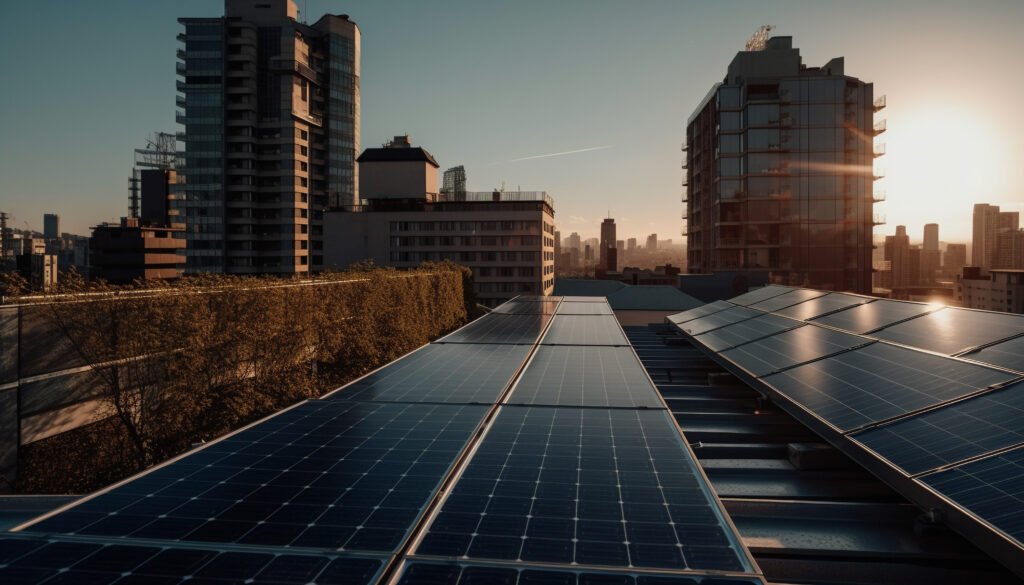
Hawaii is leading the way in solar energy adoption, thanks to its abundant sunshine, high electricity costs, and strong state incentives for renewable energy. Many homeowners are making the switch to solar not only to save on energy bills but also to increase the value and marketability of their homes. Solar panels can provide long-term financial benefits while reducing reliance on the grid and supporting Hawaii’s clean energy goals. However, it’s natural for homeowners to wonder how installing solar panels might affect their property assessment—or property taxes, especially if they’re planning upgrades or considering a future sale.
This article breaks down what Hawaii homeowners need to know about property assessments and solar, including potential tax implications, exemptions, and practical steps to take after installation.
For expert guidance on solar installation and incentives in Hawaii, visit Blue Sky Energy Hawaii to schedule a consultation today.
What Is a Property Assessment?
A property assessment is the process by which your home’s value is officially determined by the county. In Hawaii, the county assessor evaluates your property to calculate your annual property taxes accurately. This process ensures that each homeowner pays a fair share based on the assessed value of their property.
Assessments take into account factors such as the size of your home, the land it sits on, any improvements, and upgrades like solar panels that might affect its overall value. By considering these elements, the county can provide an updated valuation that reflects the property’s current condition and features.
Understanding property assessments is important for homeowners because it helps anticipate changes in property taxes and make informed financial decisions. Being aware of how upgrades and improvements impact your assessment can help you plan investments wisely and maximize the value of your home.
Do Solar Panels Increase Property Taxes in Hawaii?
The short answer: not necessarily. Hawaii provides a range of incentives and exemptions designed to reduce or eliminate the property tax impact of installing solar energy systems, making it easier for homeowners to invest in renewable energy without financial penalty.
Key points to know:
- Owned Solar Systems: While adding solar panels may increase your home’s market value, Hawaii offers property tax exemptions that can offset this added value, helping homeowners avoid higher taxes.
- Leased Solar Systems: Solar panels installed through a lease are generally not considered part of your property’s taxable value. This means homeowners with leased systems usually do not see an increase in property taxes.
- Incentives: State and federal incentives, including tax credits and rebates, can further reduce the assessed value of your solar system or lower its effective cost, making solar more affordable and financially beneficial.
Hawaii homeowners can rest assured that installing solar does not automatically mean higher property taxes, allowing them to enjoy energy savings, environmental benefits, and increased home value without unexpected financial burdens.
Read More: Solar Financing Options for Big Island Homeowners: Loans, Leases, and PPAs
How Solar Installations Could Affect Your Property’s Value?
Installing solar panels can increase a home’s market value, as buyers often see solar-equipped homes as more energy-efficient and cost-effective. Homes with solar systems may attract more interest and sell faster, reflecting the growing demand for sustainable features. However, many homeowners mistakenly assume that this increased value automatically leads to higher property taxes.
In Hawaii, this isn’t always the case. State laws and incentives are designed to encourage solar adoption, often limiting how much a solar installation can impact your taxable property value. These protections help homeowners enjoy the financial and environmental benefits of solar without facing a significant tax increase.
Understanding Hawaii’s Solar Tax Exemptions & Incentives
Hawaii offers a variety of programs designed to encourage homeowners to invest in solar energy while minimizing financial barriers. These incentives not only reduce the upfront cost of installing a system but also help protect against increases in property taxes, making solar a smart and practical investment.
- State Exemption for Solar Energy Systems: Certain solar systems are exempt from property tax increases, even if they raise your home’s market value, ensuring homeowners can benefit from added energy efficiency without extra tax costs.
- Federal Solar Investment Tax Credit (ITC): Homeowners can claim a significant portion of their solar system’s cost as a federal tax credit, reducing the overall investment and making the transition to clean energy more affordable.
- Utility Rebates: Local utilities, including HECO, offer rebates and other incentives that can lower the initial cost of your solar installation and reduce any potential tax burden.
These programs make solar more accessible and cost-effective while helping homeowners avoid unexpected tax increases, encouraging widespread adoption of renewable energy across the islands.
Common Scenarios After Solar Installation
Understanding what happens after you install solar panels can help you plan for property value, taxes, and potential upgrades. Knowing the differences between owning, leasing, or modifying your system ensures you make informed decisions.
1. If You Own Your Solar System
Owning a solar system can increase your home’s market value, as buyers often see solar-equipped homes as energy-efficient and cost-saving. In Hawaii, certain property tax exemptions may apply, meaning your assessed value might not rise significantly despite the added value of the system. Additionally, homeowners who own their panels can take advantage of federal and state tax incentives, such as the Federal Solar Investment Tax Credit (ITC), which can reduce the overall cost of installation and improve return on investment.
2. If You Lease Your Solar System
For leased solar systems, the panels are typically not considered part of your property’s assessed value, so your property taxes generally remain unchanged. Homeowners continue making monthly lease payments to the solar provider, but these payments do not increase your tax burden. Leasing can be an attractive option for those who want to enjoy the benefits of solar energy without the upfront cost or concerns about tax implications.
3. When You Remove or Upgrade Solar
Upgrading your solar system—such as adding more panels or battery storage—could trigger a reassessment if it significantly increases your property’s value. This reassessment may affect your property taxes, depending on exemptions and incentives. Complete removal of a solar system is rare but, if done before selling the home, may impact the assessment and could influence the final sale price. Proper planning and consultation with local authorities can help homeowners manage these scenarios effectively.
What Hawaii Homeowners Should Do After Solar Installation?
After installing solar panels, it’s important to ensure your property assessment accurately reflects your system and any applicable exemptions. Taking the right steps can prevent confusion with property taxes and help you maximize the financial benefits of your investment.
- Notify your county assessor about the installation: Informing the assessor ensures that your solar system is properly recorded and any eligible exemptions or credits are applied.
- Provide documentation of your system and any incentives used: Submit paperwork detailing the panels, inverters, battery storage, and any state or federal incentives claimed to support accurate assessment.
- Consider a professional appraisal to verify your home’s value: An appraisal can help confirm that your home’s market value accounts for the solar system appropriately, protecting you in case of future disputes.
- Keep records for future buyers, especially if you plan to sell your home: Maintaining clear documentation about your solar installation and associated incentives provides transparency and can increase buyer confidence.
These steps make the process smoother, prevent misunderstandings with property taxes, and ensure that your solar investment continues to deliver both energy and financial benefits.
You can also explore our article: The Role of Solar Batteries: Powering Your Big Island Home 24/7
How Solar Affects Selling Your Home?
Solar panels can make a home significantly more appealing to potential buyers. By providing lower energy costs and a ready-to-use renewable energy solution, solar-equipped homes offer immediate value and long-term savings. Buyers often view these homes as modern, sustainable, and cost-effective, which can make them stand out in a competitive market. Properly documenting your solar system, including installation details and maintenance records, helps communicate these benefits clearly to prospective buyers.
Homes with solar systems often sell faster and can command higher prices, especially when buyers understand the financial and environmental advantages. Showing proof of federal and state tax incentives, rebates, or exemptions further emphasizes the value of the solar installation, making the property more attractive and marketable.
While property assessments may reflect the solar upgrade, Hawaii’s exemptions and incentives usually prevent a substantial increase in property taxes. This protection gives sellers a competitive edge, as buyers can enjoy the benefits of solar without worrying about unexpected tax increases, making solar-equipped homes a win-win for both sellers and buyers.
Frequently Asked Questions (FAQs)
1. Will installing solar panels automatically increase my property taxes in Hawaii?
Not necessarily. Hawaii offers property tax exemptions and incentives designed to offset the added value of a solar system. While your home’s market value may increase, these protections often prevent higher property taxes.
2. Are leased solar systems treated differently than owned systems for property assessments?
Yes. Leased solar panels are generally not included in your property’s taxable value. This means homeowners with leased systems typically do not see an increase in property taxes, even though they enjoy the benefits of solar energy.
3. What types of solar incentives are available in Hawaii that affect property assessments?
Hawaii homeowners can benefit from:
- State Exemption for Solar Systems – prevents property tax increases for qualifying solar installations.
- Federal Solar Investment Tax Credit (ITC) – a credit on your federal taxes for a portion of the system’s cost.
- Utility Rebates – programs from utilities like HECO that reduce installation costs.
4. Do I need to report my new solar system to the county assessor?
Yes. Providing documentation of your solar installation helps ensure your property assessment reflects any exemptions or incentives you qualify for, preventing misunderstandings with property taxes.
5. Can upgrading or expanding my solar system affect my property assessment?
Upgrades, such as adding panels or battery storage, could trigger a reassessment if they significantly increase your home’s value. Planning ahead and consulting your county assessor can help you manage potential tax implications.
6. How does solar affect my home’s resale value in Hawaii?
Homes with solar systems often sell faster and at higher prices. Buyers see energy savings, environmental benefits, and ready-to-use renewable energy as added value, making solar-equipped homes more attractive in the market.
7. Are there any situations where removing solar panels affects property taxes?
Complete removal of a solar system is rare, but if done before selling your home, it could affect the property’s assessed value and influence the sale price. Proper planning ensures minimal financial impact.
8. What steps should I take after installing solar to protect my investment?
- Notify your county assessor.
- Submit documentation of your solar system and incentives.
- Consider a professional appraisal to confirm home value.
- Keep records for future buyers to increase transparency and resale value.
Final Thoughts
Solar energy is a smart investment for Hawaii homeowners, offering significant savings on electricity bills, environmental benefits, and potential increases in property value. Homes with solar panels are often more attractive to buyers, and the ability to generate your own clean energy adds long-term financial and ecological value. While installing solar may affect your property assessment, Hawaii’s property tax exemptions, state and federal incentives, and flexible leasing options make the process manageable and help minimize any additional tax burden for most homeowners.
By understanding the rules and taking the right steps, you can enjoy all the benefits of solar without unexpected tax surprises.
If you’re considering solar for your Hawaii home, Blue Sky Energy Hawaii is your local expert for solar installation, guidance on incentives, and support through the property assessment process.
Visit blueskyhawaii.com to learn more and schedule a free consultation today!


Recent Comments