
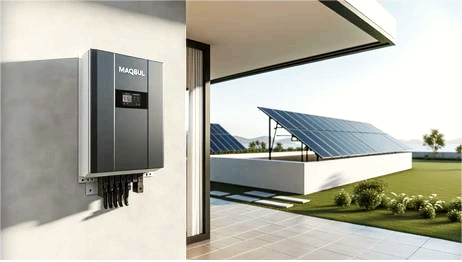
Solar panels often get all the attention, but they cannot power your home alone. The real “brain” of your solar system is the solar inverter. It controls how electricity flows, how much energy you use, and how efficiently your system performs.
On the Big Island, where sunlight is abundant but grid reliability can vary, choosing the right inverter is just as important as choosing the right solar panels. A good inverter ensures smooth energy conversion, system safety, and maximum savings over time.
Planning a solar system for your Big Island home or business? BlueSky Hawaii helps you choose and install the right inverter for long-term performance and island conditions.
How to Understand Solar Inverters?
A solar inverter is the device that converts the electricity your solar panels produce into usable power for your home. Solar panels generate direct current (DC) electricity, but homes and businesses run on alternating current (AC).
The inverter acts as a translator. Without it, your solar energy would be unusable. Beyond conversion, modern inverters also monitor performance, protect your system, and manage battery storage or grid interaction. Understanding how an inverter works helps you make better decisions for efficiency, reliability, and cost savings.
Key Functions of Solar Inverters
Solar inverters do much more than just convert electricity. Below are the main functions explained clearly:
1. DC to AC Power Conversion
The inverter converts DC electricity from your solar panels into AC electricity that powers lights, appliances, and equipment. This conversion must be smooth and stable to protect your home’s electrical systems.
2. System Performance Monitoring
Most modern inverters track how much energy your system produces each day. They alert you to performance issues so problems can be fixed before they reduce savings.
3. Grid Interaction & Safety
In grid-connected systems, inverters control how excess energy flows back to the utility grid. During outages, safety features prevent electricity from feeding into power lines, protecting utility workers.
4. Voltage & Frequency Regulation
Inverters ensure power stays within safe voltage and frequency limits. This is especially important in Hawaii, where grid fluctuations can occur.
5. Battery & Backup Power Management
For solar-plus-battery systems, inverters manage when to store energy, when to use it, and when to draw from the grid, ensuring backup power during outages.
How Does a Solar Inverter Work?
1. Energy Collection from Solar Panels
Solar panels absorb sunlight and convert it into direct current (DC) electricity. This electricity flows through solar cables to the inverter, but is not usable by household appliances yet. The amount of DC power produced depends on sunlight intensity, panel angle, and weather conditions. The inverter continuously receives this raw power throughout the day.
2. DC to AC Power Conversion
Inside the inverter, advanced electronic components rapidly switch DC electricity into alternating current (AC). This process shapes the electricity to match the voltage and frequency required by your home. The inverter also smooths out power fluctuations to protect appliances. Without this step, solar energy cannot be used safely indoors.
3. Power Quality Control & Safety Checks
The inverter constantly monitors voltage, current, and system temperature to ensure safe operation. If it detects issues like overheating, grid faults, or wiring problems, it automatically shuts down to prevent damage. This safety function protects both your home and utility workers. It also ensures compliance with local electrical codes.
4. Power Distribution to Your Home
Once converted, AC electricity flows to your main electrical panel, where it powers your home’s appliances. Solar energy is used first before drawing power from the grid. Any excess energy can be sent to a battery or exported back to the utility grid. This helps reduce electricity bills and maximize solar savings.
5. Battery Charging & Energy Storage (If Installed)
In systems with batteries, the inverter directs excess solar power to charge the battery during the day. Stored energy can be used at night or during power outages. The inverter decides when to charge, discharge, or pull power from the grid. This ensures efficient energy use and reliable backup power.
6. System Monitoring & Performance Tracking
Modern inverters provide real-time data through mobile apps or monitoring portals. Homeowners can track daily energy production, usage, and system health. Alerts notify users of performance drops or faults. This makes system maintenance easier and ensures long-term efficiency.
Types of Solar Inverters
1. String Inverters
String inverters are the most traditional and commonly used type of solar inverter. In this setup, multiple solar panels are connected together in a “string,” and the combined DC power is sent to one central inverter. This inverter is usually installed on a wall near the electrical panel or in a garage.
This type of inverter works best on roofs with consistent sunlight and minimal shading. Because all panels are connected together, the performance of the system depends on the weakest panel in the string. String inverters are widely used because they are cost-effective and easy to maintain.
Advantages:
- Affordable and widely used
- Simple design with proven reliability
- Easy maintenance
Disadvantages:
- Shading on one panel affects the whole system
- Less efficient for complex roof layouts
2. Microinverters
Microinverters are small inverters installed directly underneath each solar panel. Instead of converting power at one central location, each panel converts DC to AC on its own. This allows every panel to operate independently.
This setup is ideal for roofs with partial shading, different panel angles, or changing sunlight conditions, common in Hawaii. Microinverters maximize energy production and provide detailed monitoring for each panel, improving long-term performance.
Related Post: Comparison Between Micro Inverter and String Inverter
Advantages:
- Each panel works independently
- Excellent performance in partial shade
- Easy system monitoring
Disadvantages:
- Higher upfront cost
- More components on the roof
3. Power Optimizers (Hybrid Option)
Power optimizers combine features of both string inverters and microinverters. Each panel has an optimizer that conditions DC power before sending it to a central inverter. This helps improve performance while keeping costs lower than full microinverter systems.
Optimizers are useful when some shading or panel mismatch exists, but a central inverter is still preferred. They offer better efficiency and monitoring than string inverters while maintaining a simpler system design.
Advantages:
- Improved panel-level performance
- Lower cost than microinverters
- Flexible system design
Disadvantages:
- Still depends on a central inverter
- Slightly more complex installation
4. Hybrid Inverters
Hybrid inverters are designed to work with both solar panels and battery storage. They manage solar production, household usage, battery charging, and grid interaction all in one system. This makes them a popular choice for energy independence and backup power.
In Hawaii, where power outages can occur and electricity rates are high, hybrid inverters provide flexibility and reliability. They allow homeowners to store excess solar energy for night use or emergencies, making the system more future-ready.
Advantages:
- Works with solar panels and batteries
- Ideal for backup power
- Supports future battery upgrades
Disadvantages:
- Higher initial investment
- Requires professional system design
How to Choose the Right Solar Inverter?
Choosing the right inverter depends on your energy goals and property conditions.
- Energy Usage Needs: Homes with high energy use may benefit from hybrid or optimized systems.
- Roof Design & Shading: Complex roofs or shaded areas perform better with microinverters or optimizers.
- Battery & Backup Plans: If you want backup power, a hybrid inverter is essential.
- Budget & Long-Term Value: Cheaper options may cost more in lost efficiency over time.
- Local Grid Rules: Hawaii has specific utility requirements that your inverter must meet.
Which Type of Solar Inverter Works Best for Hawaii?
Hawaii’s climate includes strong sun, salt air, humidity, and occasional grid outages. Because of this, microinverters and hybrid inverters are often the best choice for Big Island homes.
Microinverters handle partial shading well, which is common due to trees, clouds, and roof angles. Hybrid inverters are ideal for homeowners who want battery storage and energy independence during power outages.
For many Big Island residents, a solar + battery + hybrid inverter setup offers the best balance of reliability, savings, and peace of mind.
How Inverters Affect the Cost of Residential Solar Panels?
Solar inverters are often one of the most expensive parts of a solar system because they handle power conversion, safety controls, monitoring, and grid communication. The type of inverter you choose has a significant impact on the Cost of Residential Solar Panels. Advanced options like microinverters and hybrid inverters are more expensive due to higher efficiency, panel-level monitoring, and battery compatibility. While these inverters cost more initially, they often deliver better energy output and long-term savings. A cheaper inverter may reduce upfront costs but can increase long-term maintenance and replacement expenses.
Why Choose BlueSky Hawaii for Installing an Inverter?
BlueSky Hawaii understands Hawaii’s unique climate, utility rules, and energy needs. Our team designs inverter systems that maximize efficiency, ensure safety, and support long-term savings.
We work with trusted inverter brands, provide expert installation, and offer ongoing support, so your system performs reliably for years.
Frequently Asked Questions (FAQs)
How long does a solar inverter last?
Most inverters last 10–15 years. Some microinverters can last 20+ years with proper installation.
Can I add a battery later?
Yes, if your system uses a hybrid inverter or is designed for future upgrades.
Do I need a 2000W or 3000W inverter?
A 2000W inverter is suitable for basic household loads like lights, TVs, fans, and small appliances. A 3000W inverter is better if you plan to run refrigerators, pumps, power tools, or multiple appliances at once. The right size depends on your total load and startup surge requirements.
Which is the most economical inverter in Hawaii?
The most economical inverter in Hawaii is one that balances efficiency, durability, and long-term savings rather than just low upfront cost. High-efficiency microinverters or hybrid inverters often provide better value due to higher energy production and lower maintenance. Choosing an inverter designed for Hawaii’s climate ensures better performance and a longer lifespan.
Do inverters work during power outages?
Standard grid-tied inverters shut off during outages. Battery-based systems continue supplying power.
Can I run my fridge on an inverter?
Yes, most modern refrigerators can run on an inverter, but the inverter must handle the fridge’s startup surge. A refrigerator may require 2–3 times its running wattage when the compressor starts. A pure sine wave inverter and sufficient battery capacity are strongly recommended for smooth and safe operation.
Does salt air affect inverters in Hawaii?
High-quality, properly installed inverters are designed to handle coastal conditions.
What should you not plug into an inverter?
You should avoid plugging in high-surge or heat-generating appliances such as electric heaters, microwaves, hair dryers, and air conditioners. These devices draw large amounts of power and can overload or damage the inverter. Poor-quality or modified sine wave inverters can also harm sensitive electronics.
Can I use a 2000W inverter with a 100Ah battery?
Yes, you can use a 2000W inverter with a 100Ah battery, but the runtime will be very limited. A 100Ah battery cannot supply high power for long and may drain quickly under heavy loads. This setup works best for short-term or low-power use, not continuous heavy appliances. For better performance, multiple batteries or higher-capacity storage is recommended.
Ready to power your home with a smart, reliable solar inverter?
| Contact BlueSky Hawaii today! |
Final Remarks
Solar inverters are the heart of your solar energy system. Choosing the right one ensures better performance, stronger savings, and dependable power—especially in Hawaii. With the right inverter and a trusted installer like BlueSky Hawaii, your solar investment becomes smarter, safer, and more future-proof.


Recent Comments