
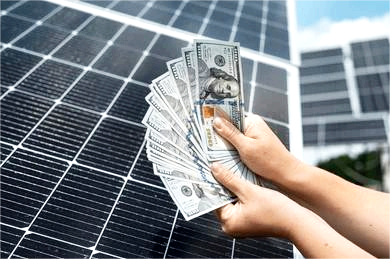
Solar panels are becoming extremely popular in Hawaii. With some of the highest electricity rates in the United States, abundant sunshine, and strong solar incentives, going solar can save you thousands of dollars and reduce your reliance on utility power. But one of the most important questions homeowners ask is: When will my solar panels pay for themselves in Hawaii?
In this article, we will explain that in the simplest way possible, covering costs, incentives, payback periods, savings, financing, and real-world examples.
What Is Considered a Good Solar Payback Period?
A good solar payback period is generally considered to be under 10 years. This means the money you save on electricity equals the cost of your solar system within a decade or less. In states with lower electricity prices, a 9–10 year payback is often seen as excellent. In Hawaii, where electricity rates are much higher, a 5–8 year payback is considered very strong and shows that solar is a highly profitable investment. The shorter the payback period, the more years you have to enjoy low-cost or nearly free electricity.
For example, if a Hawaii homeowner installs a solar system that costs $18,000 after incentives and saves about $2,500 per year on electricity, the payback period would be just over 7 years. After that point, the system continues producing power for another 15–20 years, generating tens of thousands of dollars in additional savings. This is why many experts consider solar in Hawaii one of the best long-term home energy investments available.
Factors Affecting the Solar Panel Payback Period
The time it takes for solar panels to pay for themselves can vary from home to home. Several key factors influence how quickly you recover your investment and start seeing pure savings. Understanding these factors helps set realistic expectations and allows homeowners to maximize their solar return.
1- Local Electricity Rates
The cost you pay per kilowatt‑hour (kWh) for electricity directly affects how fast your solar panels pay for themselves. In general, the higher your utility rate, the more valuable the solar energy you produce becomes, because every unit of electricity your panels generate replaces costly utility power. This is one of the main reasons solar systems in Hawaii often have shorter payback periods than in many other U.S. states.
In 2026, Hawaii will remain the state with the highest residential electricity rate in the country, averaging around 40–42¢ per kWh, compared to the U.S. national average of about 16–18¢ per kWh. For example, if your home uses 1,000 kWh a month, your utility bill could be roughly $400, whereas in many mainland states it might be only $160–$180 for the same amount of electricity. Because solar energy replaces that expensive utility power, every kilowatt your panels produce in Hawaii saves you a significant amount of money.
This rate difference has a powerful impact on solar payback. Using solar to offset electricity that costs more than double the national average means your yearly savings are higher, which shortens the time it takes to recoup your system cost. In simpler terms: the more you would otherwise have paid the utility for electricity, the quicker solar pays you back, and in Hawaii’s high‑cost energy environment, this effect is especially strong.
2- System Size and Energy Production
A properly sized solar system produces enough energy to offset most or all of your electricity usage. Systems that are too small may not generate sufficient savings, while oversized systems can cost more than necessary. Correct sizing ensures efficient payback.
3- Sunlight Exposure and Roof Conditions
Roof orientation, tilt, shading, and available sunlight directly affect how much electricity your panels produce. Roofs with strong sun exposure and minimal shading generate more power, increasing annual savings and shortening the payback period. Choosing the right roof type or optimizing panel layout for your existing roof ensures maximum energy production and faster solar payback.
4- Upfront Cost and Installation Price
The total upfront cost of a solar system is one of the biggest factors affecting how quickly it pays for itself. This includes the price of the solar panels, inverter, mounting hardware, labor, permits, and any additional upgrades needed for your home.
- Lower upfront costs mean you invest less money initially, so the electricity savings from your system cover that investment faster. This results in a shorter payback period.
- Higher upfront costs, such as premium panels, complex roof installations, or extra electrical work, increase the total investment. As a result, it takes longer for your monthly electricity savings to offset what you spent, extending the break-even point.
Example: If two homeowners install similar solar systems, one spending $16,000 after incentives and the other $20,000, the first homeowner will reach payback sooner because their lower initial investment is recovered faster through monthly energy savings.
5- Solar Incentives and Tax Credits
Federal and state incentives significantly reduce your net investment. The federal solar tax credit and Hawaii’s solar incentives can cut thousands of dollars from the upfront cost, often reducing the payback period by several years. These incentives make solar more affordable and help homeowners see faster financial returns while encouraging the use of clean, renewable energy.
- Federal Solar Investment Tax Credit (ITC)
The federal ITC allows homeowners to claim 30% of the total solar system cost as a tax credit. This directly reduces the amount of federal income tax you owe, lowering your effective system cost. The credit applies to both equipment and installation, making it one of the most valuable solar incentives available nationwide. - Hawaii State Renewable Energy Technologies Income Tax Credit (RETITC)
Hawaii offers a generous state tax credit of 35% of system costs, capped at $5,000 for residential systems. This credit stacks on top of the federal incentive, significantly reducing out-of-pocket expenses and helping shorten the solar payback timeline. - Property Tax Exemption for Solar Systems
In Hawaii, installing solar panels does not increase your property taxes, even though your home value may rise. This exemption ensures you enjoy the benefits of solar without facing higher annual tax bills, protecting your long-term savings. - Low-Interest Financing and Local Programs
Some Hawaii programs and lenders offer low-interest solar loans and energy financing options. These programs reduce upfront costs and allow homeowners to spread payments over time while still benefiting from tax credits and utility bill savings.
6- Financing Method
How you pay for your solar system has a direct impact on your payback period and total savings. Both cash purchases and financing can make sense in Hawaii, but they work differently when it comes to upfront cost, monthly expenses, and long-term returns.
Cash Purchase
When you buy a solar system with cash, you pay the full cost upfront but enjoy the fastest payback and highest lifetime savings. Because there are no interest payments, every dollar you save on electricity goes directly toward recovering your investment.
Example: If a solar system costs $18,000 after incentives and saves $2,500 per year on electricity, the payback period is just over 7 years. After that, the system continues producing power for another 15–20 years, creating tens of thousands of dollars in additional savings.
Financing (Solar Loan)
Financing allows you to install solar with little or no upfront cost by spreading payments over time. While interest slightly increases the total system cost, many homeowners still save money from the first month because their loan payment plus reduced utility bill is often lower than their old electricity bill.
Example: If the same $18,000 system is financed over 15 years, your monthly loan payment might be around $140, while your electric bill drops by $200 or more. Even though interest extends the payback period to around 8–10 years, you still benefit from immediate monthly savings and long-term energy security.
Which Is Better? Cash Purchase Vs Financing
- Cash purchase: Best for fastest payback and maximum total savings
- Financing: Best for affordability and immediate monthly bill relief
In Hawaii’s high-cost electricity market, both options can deliver strong returns, making solar accessible whether you pay upfront or over time.
7- Net Billing or Utility Compensation Rules
The value of excess solar energy sent back to the grid plays a major role in determining how fast your solar panels pay for themselves. Under net billing or utility compensation rules, homeowners are often paid a lower rate for the extra electricity they export compared to what they pay when buying power from the utility. When export credits are low, sending power to the grid generates less financial value, which can slightly slow the solar panel payback period if most energy is not used on-site.
Example:
Suppose a homeowner pays $0.40 per kWh for electricity but only receives $0.15 per kWh for excess solar energy sent to the grid. If most of the solar power is exported during the day, the savings are reduced. However, if that same homeowner uses more electricity during daylight hours, running appliances or charging devices, the energy offsets the full $0.40 rate instead of earning the lower credit. This higher self-consumption increases monthly savings and helps the system pay for itself faster, even under net billing rules.
In simple terms, the more solar energy you use directly in your home, the less impact lower export credits have on your payback period. This is why energy usage habits and system design are so important under modern utility compensation programs.
8- Energy Usage Habits
Households that use more electricity during daytime hours benefit more from solar production because they consume power directly from the panels instead of buying it from the utility. Shifting energy use to daylight hours, such as running washing machines, dishwashers, pool pumps, or charging devices when the sun is out, can significantly increase self-consumption. This reduces reliance on the grid and lowers electricity bills even further. The more solar energy you use on-site, the faster your savings add up, which can shorten the overall solar payback period.
9- System Maintenance and Performance
Well-maintained systems perform better over time and deliver more consistent savings. Regular solar maintenance, such as keeping panels clean, checking wiring, and monitoring inverter performance, helps ensure your system operates at peak efficiency. Dust, salt buildup, bird droppings, or debris can block sunlight and reduce energy production, especially in coastal areas like Hawaii.
In addition, timely maintenance helps identify equipment issues early, preventing small problems from turning into costly repairs. Aging components, if not serviced or replaced when needed, can slowly reduce output and extend the payback period. Proper solar panel maintenance protects your investment, maximizes annual energy production, and helps your system pay for itself as quickly as possible.
10- Future Electricity Rate Increases
Rising utility rates increase the value of your solar energy. As electricity costs go up, your savings grow, often shortening the actual payback period compared to original estimates.
Together, these factors determine how quickly solar panels pay for themselves. When optimized correctly, especially in high-cost regions like Hawaii, solar payback can be fast, predictable, and highly rewarding.
How to Calculate Your Solar Payback Period (Real-World Example)
Understanding how solar panels pay for themselves becomes much clearer when you break the process into simple steps. Below is a real-world style example showing exactly how to calculate a solar payback period, using typical Hawaii numbers.
Step 1: Calculate the Total Solar System Cost
Start with the full installation cost of your solar system before any incentives. This includes solar panels, inverter, mounting hardware, labor, permits, and inspections.
For many Hawaii homes, a properly sized residential system costs between $25,000 and $28,000 before incentives. This upfront figure is important because it represents the base investment you are trying to recover over time.
Step 2: Subtract Federal and State Incentives
Next, reduce the system cost by applying available tax credits and incentives. The federal solar tax credit allows you to claim 30% of the system cost, and Hawaii’s state tax credit can reduce costs by up to $5,000.
These incentives significantly lower your actual out-of-pocket expense, which directly shortens the payback period. After applying both credits, many homeowners see their net cost drop by thousands of dollars.
Step 3: Determine Your Net Solar Investment
After incentives, calculate the final amount you are effectively paying for your solar system.
For example, a $26,000 system might be reduced to around $16,000–$18,000 after tax credits. This net amount is the number you will use to calculate payback because it represents the true cost of going solar.
Step 4: Estimate Annual Electricity Savings
Now, calculate how much money your solar system saves you each year. Review your past electricity bills to determine your average annual electric cost.
In Hawaii, many homeowners save between $2,000 and $3,000 per year, depending on energy usage and system size. Higher electricity rates mean bigger savings, which directly speed up payback.
Step 5: Divide Net Cost by Annual Savings
To calculate the payback period, divide your net solar investment by your annual savings.
For example:
- Net system cost: $17,000
- Annual savings: $2,500
$17,000 ÷ $2,500 = approximately 6.8 years
This means your solar system pays for itself in just under 7 years.
Step 6: Understand What Happens After Payback
Once the payback period is complete, the electricity your system produces is essentially free. Since most solar panels last 25–30 years, you can enjoy 15–20+ years of additional savings. Over the full lifetime of the system, this can result in tens of thousands of dollars in net financial benefits.
Does Adding a Battery Change Payback?
Yes, adding a solar battery usually changes and often extends the payback period. While solar panels alone in Hawaii can pay for themselves in about 5–8 years, adding a battery increases the total system cost, which means it generally takes longer to recover your investment. Batteries are valuable because they store excess solar energy for nighttime use and provide backup power during outages, but they do not always create direct monthly savings at the same level as solar panels. For this reason, batteries are often installed for reliability and energy security, not purely for faster financial returns.
Factors that influence solar battery payback include:
- Battery system cost: Higher upfront battery prices increase the overall payback time.
- Energy usage patterns: Homes that use more electricity in the evening benefit more from stored solar power.
- Utility export rates: Lower credits for sending excess power to the grid make batteries more useful for self-consumption.
- Frequency of power outages: Homes that rely on backup power gain more practical value from batteries.
- Available incentives: Tax credits or rebates can reduce battery costs and improve payback results.
In Hawaii, batteries make the most sense for homeowners who want greater energy independence, outage protection, and better control over how and when solar energy is used. While a battery may add several years to the overall payback timeline, many homeowners find the added comfort, reliability, and peace of mind well worth the extra investment.
Benefits Beyond Payback: Why Solar in Hawaii Is More Than Just Savings
While most homeowners focus on how fast solar panels pay for themselves, the real value of solar in Hawaii goes far beyond simple payback calculations. Below are the most important benefits you enjoy before, during, and long after payback.
1- Increased Home Value and Market Appeal
Homes with owned solar systems often have higher resale value in Hawaii. Buyers are attracted to properties with:
- Lower monthly electricity bills
- Energy-efficient features
- Reduced long-term ownership costs
In a market where utility bills can be expensive, solar becomes a strong selling point. Many buyers are willing to pay more for a home that already has solar installed, especially if the system is paid off or close to payback.
2- Long-Term Energy Independence
Installing solar panels helps reduce your dependence on Hawaii’s utility companies. Once your system is producing most or all of your electricity, you are far less affected by:
- Rising electricity prices
- Fuel cost adjustments
- Utility policy changes
This independence gives homeowners greater control over their monthly expenses. Instead of worrying about future rate hikes, you generate your own power using free sunlight. Over time, this stability can be just as valuable as direct savings.
3- Low Maintenance and Long System Life
Solar panels are built to withstand harsh conditions, including:
- Strong sun exposure
- Wind and rain
- Coastal environments
They require very little maintenance and often come with 25-year performance warranties. After installation, most systems operate quietly and efficiently with minimal attention, allowing homeowners to enjoy savings without ongoing effort or extra costs.
4- Contribution to Hawaii’s Clean Energy Goals
Hawaii has ambitious renewable energy goals, including a long-term transition toward clean energy. By installing solar, homeowners actively support:
- Local renewable energy production
- Reduced strain on the electrical grid
- A more resilient energy future for the islands
This collective effort helps strengthen Hawaii’s energy independence as a whole.
Ready to Start Saving with Solar in Hawaii?
Don’t wait to take control of your energy bills! With Hawaii’s high electricity rates and generous incentives, now is the perfect time to install solar and start saving. BlueSky Hawaii makes it easy to go solar with expert installation, personalized system design, and guidance on maximizing federal and state tax credits.
✅ Reduce your monthly electricity bills
✅ Take advantage of Hawaii and federal incentives
✅ Enjoy reliable, clean energy for decades
Schedule your free consultation and see how quickly your solar panels can pay for themselves. Your path to energy independence starts here!
[Get Your Free Solar Quote Now]
Frequently Asked Questions (FAQs) About Solar Panel Payback in Hawaii
How long does it usually take for solar panels to pay for themselves in Hawaii?
In Hawaii, solar panels usually pay for themselves in 5 to 8 years. This is much faster than most other U.S. states. The main reason is Hawaii’s very high electricity rates, which means homeowners save more money every month after switching to solar. Strong state and federal tax incentives also reduce the upfront cost, helping shorten the payback period even more. Once the system is paid off, you can enjoy many years of low-cost or nearly free electricity.
Are solar panels worth it if I use less electricity?
Yes, but system size matters. Smaller systems cost less and still benefit from incentives. Even moderate energy users can see good payback because Hawaii’s electricity rates are high. A properly sized system ensures you don’t overpay while still maximizing savings.
How long do solar panels last after payback?
Most modern solar panels are designed to last 25–30 years or more. Even after the payback period ends, panels continue producing electricity at slightly reduced efficiency. This means many homeowners enjoy 10–20+ years of additional savings after the system has fully paid for itself.
What if I move before my solar panels pay for themselves?
If you own your solar system, you can often recover part or all of your investment through a higher home sale price. If your system is financed, the loan may be transferable or paid off during the sale. Either way, solar generally improves resale appeal in Hawaii.
Do solar panels still pay for themselves without net metering in Hawaii?
Yes. Although traditional net metering is limited, Hawaii’s net billing programs still allow homeowners to save money by using most of their solar power directly. Because electricity rates are so high, self-consumption alone can create strong savings and reasonable payback times, especially when systems are properly sized.
Does adding a solar battery affect the payback period?
Yes, adding a battery usually increases the payback time because batteries are expensive. While batteries provide backup power during outages and allow you to use more of your own solar energy, they do not always offer immediate financial returns. Many homeowners choose batteries for reliability and energy independence, not faster payback.
How much money can I save after my solar panels pay for themselves?
After payback, your solar system continues producing energy for 15–20+ more years. Over the full lifetime of the system, many Hawaii homeowners save $30,000 to $50,000 or more, depending on system size and future electricity rate increases. These long-term savings are one of the biggest benefits of going solar.


Recent Comments