
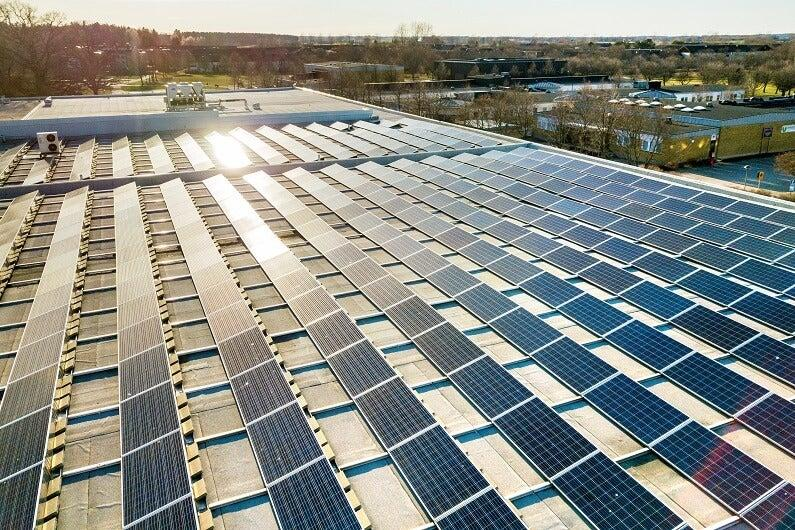
Installing a commercial solar system on the Big Island is a significant investment for businesses looking to reduce electricity costs and embrace sustainable energy. However, achieving long-term performance and maximizing ROI requires more than just installation. Monitoring and maintenance (O&M) are critical to ensure systems operate efficiently and continue generating reliable power over their lifespan.
This guide explains why commercial solar monitoring and maintenance matter, the key components involved, and best practices for Big Island businesses. Contact us today!
Why Monitoring Commercial Solar Systems is Crucial
Commercial solar systems often include dozens or hundreds of panels, inverters, and electrical components. Even minor issues can affect energy production and financial returns. Real-time monitoring allows facility managers to track system performance, identify potential problems early, and optimize energy output.
Key benefits of monitoring include:
- Detecting underperforming panels or inverters
- Identifying shading or debris issues
- Tracking overall energy production vs. expected output
- Reducing downtime and loss of revenue
By implementing a monitoring system, businesses can act quickly to resolve issues before they become costly.
Components of Effective Maintenance
Routine maintenance keeps commercial solar systems operating at peak efficiency and extends their lifespan. Maintenance typically covers:
- Panel inspection and cleaning – removing dirt, dust, and debris to maximize sunlight absorption
- Inverter checks – ensuring efficient energy conversion
- Electrical system inspection – verifying wiring, connections, and safety compliance
- Structural evaluation – checking mounts, racks, and roof integrity
Scheduled maintenance not only improves performance but also protects warranties offered by manufacturers and installers.
Energy Management System Integration
Many commercial solar systems now integrate with Energy Management Systems (EMS), which allow businesses to monitor solar production, energy security and storage, and overall consumption in one dashboard.
Benefits of EMS integration include:
- Real-time alerts for performance anomalies
- Automated reporting and analytics
- Optimized energy usage and storage
- Data-driven decision-making for facility operations
An EMS ensures that both solar panels and batteries are utilized efficiently while minimizing energy waste.
Troubleshooting Common Solar Issues
Even with high-quality panels and inverters, commercial solar systems may occasionally experience issues that affect performance. Common problems include inverter faults, panel shading, debris accumulation, and wiring degradation. Quick identification and resolution of these issues are critical to maintaining energy production.
Regular system monitoring allows facility managers or O&M providers to detect anomalies early. Addressing problems promptly reduces downtime, prevents damage to equipment, and ensures the system continues generating the expected electricity.
Performance Reporting and Analytics
Tracking and analyzing system performance over time is a key part of effective solar management. Detailed reports can reveal trends in energy production, highlight inefficiencies, and inform decisions about maintenance or upgrades.
Many O&M providers offer dashboards and automated analytics tools, providing insights into monthly or annual energy output, cost savings, and system health. These insights help businesses optimize energy usage, validate ROI, and plan for future energy needs on the Big Island.
Preventative vs. Reactive Maintenance
Preventative maintenance focuses on regular inspections and routine care, reducing the risk of unexpected failures. In contrast, reactive maintenance addresses issues after they occur, often resulting in higher costs and lost energy production.
A strong preventative maintenance plan includes quarterly inspections, cleaning schedules, and continuous monitoring to detect potential failures before they impact system output.
Choosing a Reliable O&M Provider on the Big Island
Partnering with an experienced solar operations and maintenance provider ensures your commercial system remains efficient and reliable. Key considerations when selecting a provider include:
- Proven experience with commercial solar systems
- Local knowledge of Big Island climate and environmental conditions
- Comprehensive service plans covering monitoring, maintenance, and emergency support
- Transparent reporting and communication
An expert O&M provider helps businesses maximize ROI, protect their investment, and ensure consistent energy production over decades.
Conclusion
Monitoring and maintenance are essential for commercial solar systems on the Big Island. By combining real-time system monitoring, routine maintenance, and preventative care, businesses can protect their investment, maintain peak performance, and achieve long-term savings.
With the right O&M strategy, commercial solar installations deliver reliable energy, reduce costs, and contribute to Hawaii’s clean energy goals while minimizing operational risks.


Recent Comments