

The way we use energy at home is changing fast. Electric vehicles (EVs), smart appliances, and clean energy systems are no longer “future ideas”; they are becoming everyday essentials. Homeowners who plan today can save money, reduce energy bills, and enjoy a more reliable and efficient home tomorrow.
One of the best ways to prepare your home for the future is by installing a solar-ready energy system that can support EV charging and smart appliances. This article explains what future-proofing means, how solar power fits into it, and how you can make your home ready for modern energy needs.
Schedule a free consultation today and discover how a future-ready solar system can power your home smarter, cleaner, and more efficiently.
What Does “Future-Proofing Your Home” Mean?
Homes today use much more electricity than they did 10–20 years ago. This increase is driven by:
- EV chargers
- Smart refrigerators, washers, and dryers
- Home offices and electronics
- Heat pumps and electric water heaters
- Smart lighting and security systems
As more devices run on electricity, your home’s energy system must be able to handle higher demand without higher bills. Solar power makes this possible.
Future-proofing your home means designing or upgrading it so it can handle future technology, energy needs, and lifestyle changes without major renovations later.
In terms of energy, future-proofing includes:
- Preparing for electric vehicles
- Supporting smart appliances and smart home systems
- Reducing reliance on the power grid
- Protecting against rising electricity costs
- Using clean, renewable energy
A solar-ready home is flexible, efficient, and built to adapt as technology evolves.
Solutions to Future-Proof Your Home With Solar
1- Solar Panels
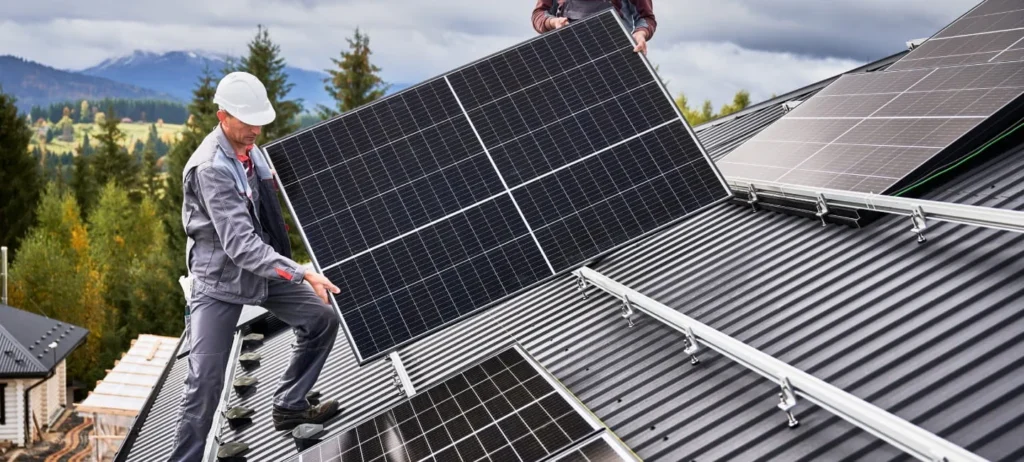
Solar panels are the foundation of a future-ready home. They generate clean electricity from sunlight, reducing your dependence on the utility grid. Over time, this leads to lower energy bills and protection from rising electricity rates.
Modern solar panels are designed to last 25 years or more with minimal maintenance. When installed correctly, they can support current household needs while allowing room for future expansion. This makes solar panels a long-term energy solution for growing homes.
2- Energy Storage With Tesla Powerwall Batteries
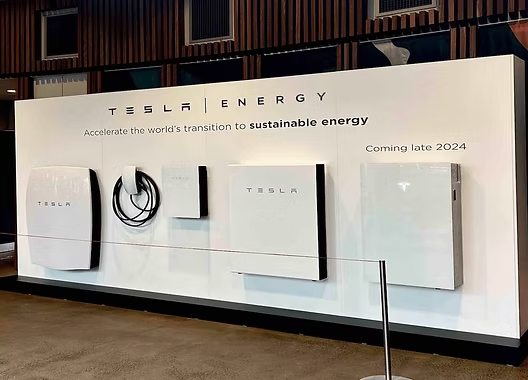
Battery storage allows you to save excess solar energy produced during the day for use at night or during outages. Tesla Powerwall batteries are designed to work smoothly with solar systems, providing reliable backup power when the grid goes down.
Energy storage also helps you use more of your own solar power instead of sending it back to the grid. This improves energy independence and keeps your home powered during peak hours or emergencies. Batteries are a key part of future-proofing.
3- Roof and Solar Installations
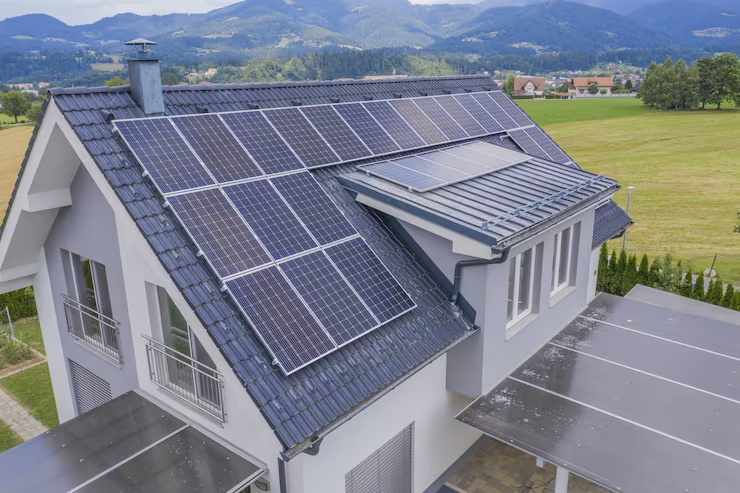
A strong, well-positioned roof is essential for long-term solar performance. Installing solar on a newer or upgraded roof prevents the need to remove panels later. Proper roof planning ensures your system remains efficient for decades.
Roof orientation, tilt, and shading also affect how much energy your solar panels produce. Planning solar installation with roof design in mind helps maximize sunlight exposure. This ensures consistent energy production as your home’s energy needs grow.
4- EV Charging With Solar Energy
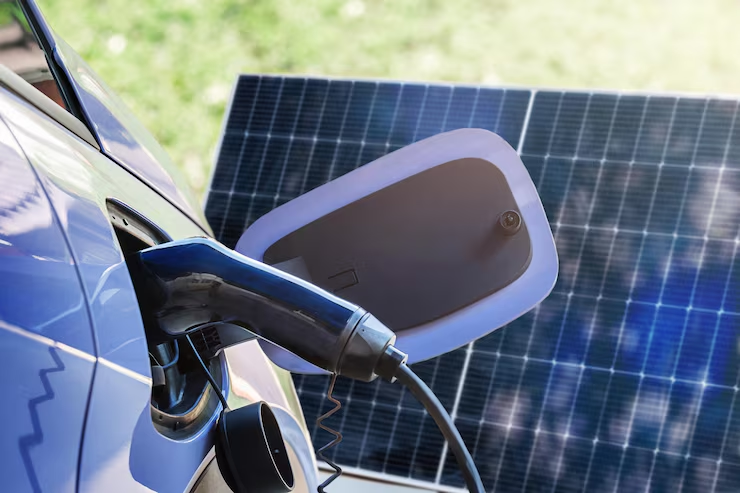
Electric vehicles increase home electricity use, but solar makes EV charging affordable. A solar-powered EV charger allows you to fuel your vehicle using clean energy from the sun. This significantly reduces fuel and charging costs over time.
Installing EV-ready wiring during solar setup makes future vehicle ownership easy. Your system can be designed to handle one or multiple EVs. Solar-powered charging supports cleaner transportation and long-term savings.
5- Smart Electrical Panel Upgrade
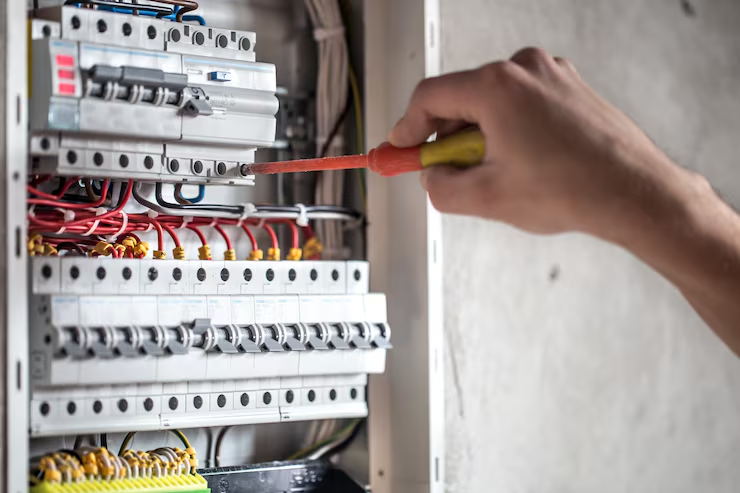
Many older homes have electrical panels that cannot handle modern energy demands. A smart or upgraded electrical panel allows your home to safely support solar systems, EV chargers, and smart appliances. It also improves overall energy safety.
Smart panels provide better control over how electricity is distributed in your home. They help manage energy loads efficiently and prepare your system for future upgrades. This upgrade is essential for long-term energy planning.
6- Install Smart Appliances
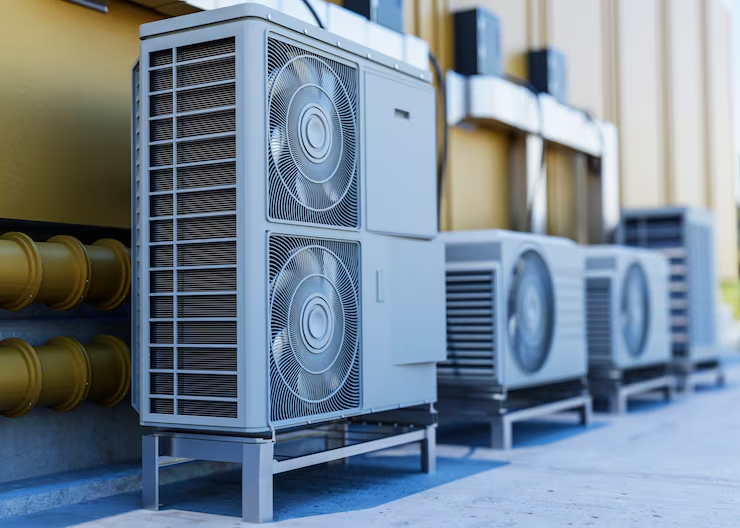
Smart appliances use advanced technology to operate more efficiently than traditional models. They can be programmed to run during peak solar production hours, helping you use more of your own solar energy. This reduces reliance on the grid.
From smart washers to heat pump water heaters, these appliances lower energy waste. When paired with solar, they maximize savings and improve overall home efficiency. Smart appliances make future-ready living simple and cost-effective.
7- Smart Energy Monitoring and Management Systems
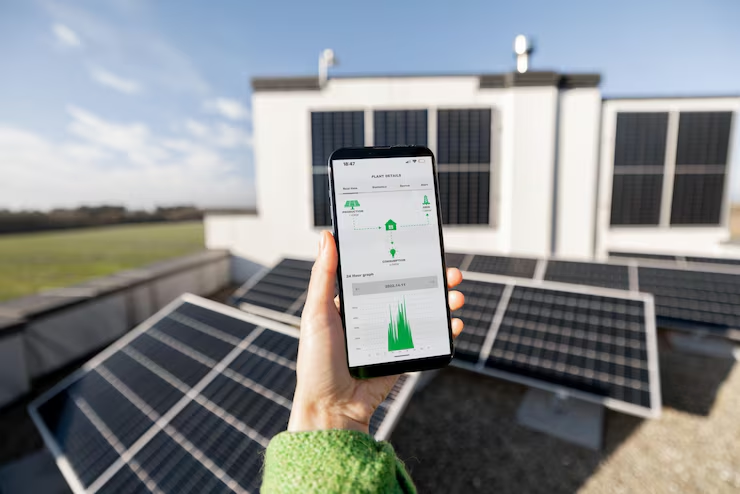
Energy monitoring systems allow you to track solar production and household energy use in real time. This helps you understand where energy is being used and how to reduce waste. Better insight leads to smarter energy decisions.
These systems can connect with batteries, EV chargers, and smart appliances. They automatically optimize energy use based on solar production. Smart monitoring turns your home into an intelligent energy system.
8- Scalable and Expandable Solar System Design
A future-proof solar system is designed to grow with your needs. As your household energy use increases, more panels or batteries can be added without replacing the entire system. This flexibility saves money in the long run.
Planning for scalability ensures your home stays energy-ready for new technology. Whether you add another EV or upgrade appliances, your solar system can adapt. Scalable design keeps your investment valuable for years to come.
When Is the Best Time to Go Solar in Hawaii?
Before Buying an Electric Vehicle (EV)
Installing solar before purchasing an EV helps you prepare your home’s electrical system in advance. Your solar system can be sized to handle future charging needs. This prevents higher electricity bills once you start charging at home.
During Home Renovations or Remodeling
Solar installation fits well with roof upgrades or electrical renovations. Wiring, panel upgrades, and inverter placement can be done more easily at this stage. It reduces labor costs and avoids repeated construction work. Planning solar early keeps your renovation future-ready.
When Replacing or Installing New Appliances
New appliances often use more electricity, especially heat pumps and smart systems. Installing solar at the same time helps offset the added energy use. This keeps monthly utility bills stable. It also ensures your home remains energy efficient long-term.
When Utility Rates Are Rising
Electricity prices continue to increase in many areas. Going solar early locks in lower energy costs for decades. The sooner you install, the sooner you start saving. Solar protects you from unpredictable utility rate hikes.
When Solar Incentives Are Available
Government incentives and tax credits reduce the upfront cost of solar. These programs can change or expire over time. Installing solar while incentives are active maximizes your savings. Acting early helps you get the best return on investment.
Before Experiencing Power Reliability Issues
If outages or grid issues are common in your area, solar is a smart solution. Adding battery-ready solar provides backup power and peace of mind. Planning ensures you’re protected before problems occur. Reliable energy is a key part of future-proofing.
Frequently Asked Questions (FAQs)
Can solar panels power my electric vehicle completely?
Yes, a properly sized solar system can generate enough electricity to cover most or all of your EV charging needs. Charging during daylight hours increases efficiency. Adding a battery allows you to charge your EV at night using stored solar power. This greatly reduces fuel and electricity costs.
Will my electrical panel support solar and EV charging?
Older electrical panels may not support solar systems, EV chargers, and smart appliances together. A panel upgrade ensures safe and efficient power distribution. Modern panels provide space for future additions. An installer can check your panel during a solar assessment.
What Common Mistakes to Avoid When Planning for the Future?
One common mistake is installing a solar system that is too small to support future EV charging and smart appliances. Many homeowners also skip electrical panel upgrades, which limits expansion later. Failing to plan for battery storage can reduce flexibility during outages. Thinking ahead and designing a scalable system helps avoid costly changes in the future.
Can I expand my solar system in the future?
Most modern solar systems are designed to be expandable. You can add more panels, batteries, or EV chargers as your energy use increases. Planning for expansion during the initial installation is important. This keeps future upgrades simple and cost-effective.
How does a solar-ready home increase property value?
Homes with solar, EV readiness, and smart energy systems are attractive to buyers. Lower energy bills and modern features add long-term value. Many buyers prefer homes that support clean energy. A future-ready home stands out in the market.
Final Thoughts: Build a Smarter, Cleaner, Future-Ready Home
Future-proofing your home with solar energy is one of the smartest decisions you can make today. A solar-ready home can power electric vehicles, support smart appliances, reduce energy costs, and provide peace of mind for years to come.


Recent Comments