
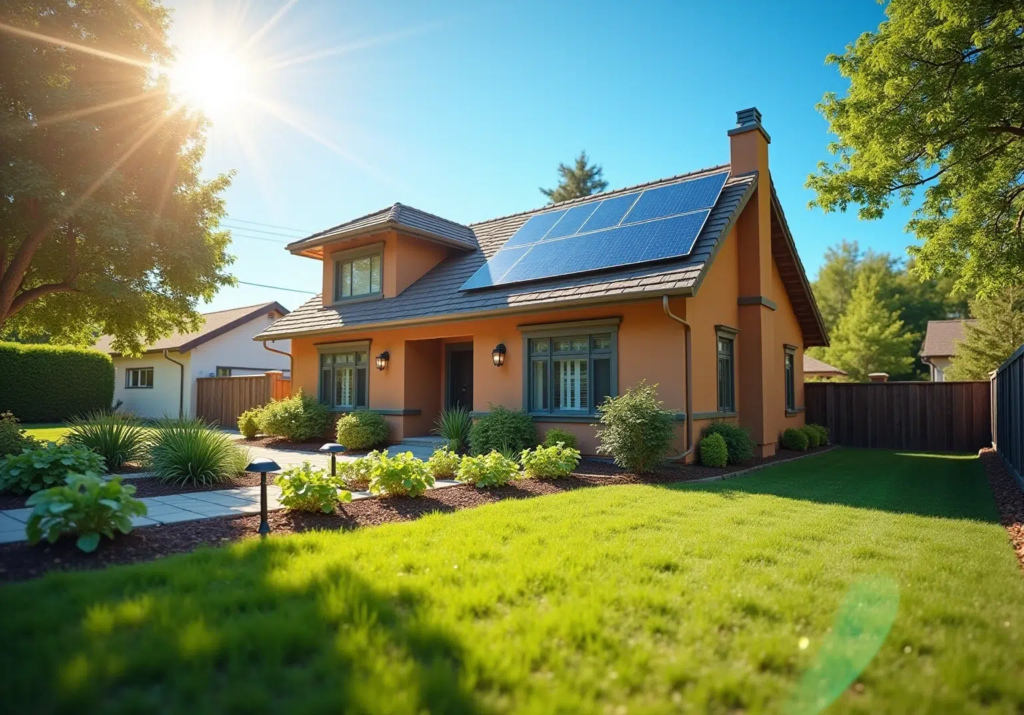
Solar energy adoption is rapidly expanding across islands and coastal regions worldwide. For residents and businesses on large islands, installing solar panels is often the most effective way to reduce dependence on expensive imported fuels and unstable power grids. However, many solar systems installed on big islands are grid-tied without battery storage, which limits their full potential.
A battery storage system transforms solar from a simple energy generator into a reliable, independent power solution. It allows solar energy to be stored and used when needed most—during nighttime, peak demand periods, or unexpected power outages.
This article examines why every large island solar system should incorporate a battery, highlighting the advantages that extend far beyond basic grid-tied systems.
The Unique Energy Challenges of Big Islands
High Electricity Costs
Big islands often rely heavily on imported fossil fuels such as diesel or fuel oil to generate electricity. Transporting these fuels across long distances significantly increases the cost of power generation.
As a result, island residents frequently face:
- Higher electricity rates than mainland areas
- Price fluctuations linked to global fuel markets
- Expensive infrastructure maintenance
Solar energy helps reduce these costs, but without battery storage, excess solar production during the day may go unused.
Batteries Reduce Reliance on Expensive Fuel
Battery systems allow island solar installations to:
- Store daytime solar energy
- Use stored power at night
- Reduce grid consumption during peak pricing
Limitations of Grid-Tied Solar Systems
No Power During Grid Outages
A major misconception is that solar panels provide electricity during blackouts. In reality, most grid-tied systems shut down when the grid goes offline to protect utility workers.
Without batteries:
- Solar panels stop producing usable power
- Homes and businesses lose electricity
- Backup generators become the only option
Battery Storage Keeps Power Running
A battery-equipped solar system can isolate itself from the grid, meaning it continues to operate during outages.
This provides critical benefits:
- Continuous electricity during storms
- Power for refrigeration and essential devices
- Protection against frequent grid failures
Energy Independence for Island Communities
Reducing Grid Dependency
Islands often experience fragile electrical infrastructure due to geographical isolation. Power plants, transmission lines, and distribution systems may be limited or outdated.
Solar batteries help homes and businesses:
- Produce and store their own energy
- Reduce reliance on central power plants
- Increase energy security
Building Local Energy Resilience
When many households adopt solar plus storage, the entire island grid becomes stronger because:
- Demand peaks are reduced
- Energy shortages become less common
- Microgrids can form during emergencies
Maximizing Solar Energy Utilization
Avoiding Wasted Solar Production
During sunny midday hours, solar panels may generate more electricity than the building needs. Without a battery, this excess energy may be:
- Exported to the grid at low compensation rates
- Curtailed if the grid cannot accept it
Store Energy for Nighttime Use
Battery storage allows solar energy to be saved for evening hours, when electricity demand is often highest.
Benefits include:
- Lower electricity bills
- Greater solar self-consumption
- Reduced grid demand during peak times
Protection Against Grid Instability
Island Grids Are More Vulnerable
Unlike continental grids with multiple interconnections, island grids are usually isolated systems. A failure in one part of the network can affect the entire island.
Common causes of instability include:
- Severe weather
- Equipment failures
- Fuel supply disruptions
Batteries Provide Grid Stability
Battery systems help stabilize island grids by:
- Balancing supply and demand
- Providing instant backup power
- Supporting frequency and voltage control
These capabilities are essential for high-renewable-energy islands.
Environmental Benefits of Solar Batteries
Accelerating the Transition to Clean Energy
Solar panels alone reduce carbon emissions, but pairing them with batteries significantly enhances their environmental impact.
Solar storage systems allow islands to:
- Reduce diesel generator usage
- Cut greenhouse gas emissions
- Transition toward renewable microgrids
Supporting 24/7 Renewable Power
With enough solar and storage capacity, islands can move toward continuous renewable electricity, even when the sun is not shining. This makes solar batteries a key technology for sustainable island energy systems.
Financial Advantages of Adding Battery Storage
Lower Long-Term Energy Costs
Although battery systems require an upfront investment, they often deliver significant financial benefits over time.
Savings come from:
- Reduced electricity purchases from the grid
- Lower peak demand charges
- Protection from rising fuel prices
Increased Property Value
Homes equipped with solar plus battery storage are often more attractive to buyers because they offer:
- Energy independence
- Backup power capability
- Lower operating costs
Ideal Applications for Solar Batteries on Big Islands
Residential Homes
Homeowners benefit from:
- Backup power during outages
- Reduced electricity bills
- Energy independence
Resorts and Tourism Facilities
Hotels and resorts rely heavily on uninterrupted electricity. Batteries help ensure:
- Reliable guest services
- Lower operational costs
- Sustainable energy branding
Remote Communities
In areas far from main power plants, solar batteries enable:
- Microgrid systems
- Reduced reliance on diesel generators
- Greater energy resilience
Choosing the Right Battery System
Key Factors to Consider
When adding battery storage to a solar system, several factors should be evaluated:
- Battery capacity (kWh)
- Power output capability
- System compatibility
- Expected lifespan
- Warranty and manufacturer reliability
Common Battery Technologies
The most widely used solar batteries today include:
- Lithium-ion batteries
- Lithium iron phosphate (LFP) batteries
- Flow batteries for larger systems
The Future of Solar Energy on Big Islands
Solar Plus Storage Is Becoming the Standard
Energy experts increasingly view solar panels paired with batteries as the most practical energy solution for island environments. As battery costs continue to decline and technology improves, more island communities are adopting integrated solar-storage systems.
Toward Self-Sufficient Island Energy Systems
The long-term vision for many islands includes:
- Renewable microgrids
- 100% clean electricity
- Minimal reliance on imported fuels
Conclusion
While grid-tied solar systems offer significant advantages, they fall short of delivering the full benefits of renewable energy on big islands. Battery storage unlocks solar’s true potential, enabling reliable power, energy independence, and long-term cost savings.
For island residents, businesses, and governments seeking resilient and sustainable energy solutions, solar batteries are no longer optional—they are essential.
By combining solar generation with advanced energy storage, big islands can build stronger, cleaner, and more reliable power systems for the future.


Recent Comments