
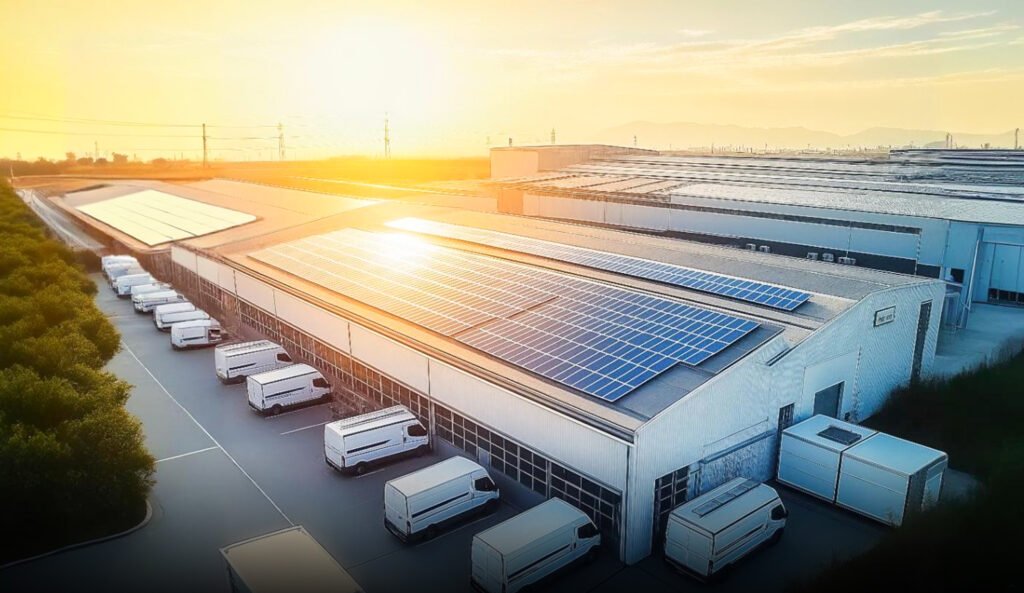
For Big Island businesses, high electricity costs can significantly impact profitability. Commercial solar power in 2026 offers a smart solution, helping companies generate their own electricity, reduce expenses, and gain energy independence. By producing energy on-site, businesses can shield themselves from rising utility rates and unpredictable energy markets.
Over time, these savings can be reinvested into growth, staff, or new technology, making solar a practical long-term strategy. Beyond savings, solar enhances sustainability and brand reputation, showing customers and stakeholders that your business is environmentally responsible. It also provides resilience against outages, keeping operations running smoothly.
In addition, adopting solar can make your business eligible for state and federal incentives, further reducing installation costs and improving return on investment. Demonstrating a commitment to clean energy can also attract eco-conscious clients and partners, giving your company a competitive edge.
This article explores the financial, operational, and environmental benefits of commercial solar, showing why it’s a strategic investment.
Learn how your business can start saving energy and money today.
Why is 2026 a turning Point for Commercial Solar?
2026 marks a pivotal year for commercial solar, thanks to advances in technology, financing options, and supportive energy policies. These factors make it easier and more cost-effective than ever for businesses on the Big Island to invest in solar energy.
- Improved Solar Technology: Modern solar panels are more efficient, durable, and affordable, allowing businesses to generate more electricity with fewer panels. This reduces the space needed for installation and increases the return on investment.
- Flexible Financing Options: Innovative solutions like solar leases and power purchase agreements (PPAs) let businesses adopt solar with minimal upfront costs. These options make solar accessible even for companies that prefer to avoid large capital expenditures.
- Supportive Energy Policies: Hawaii’s state incentives, combined with federal programs such as the Investment Tax Credit (ITC), provide significant financial benefits. Businesses can reduce installation costs, maximize tax savings, and see faster payback periods.
- Strategic Timing: Rising energy prices, coupled with these technological and financial advantages, make 2026 an ideal year for businesses to transition to solar. Early adoption can lock in long-term savings and energy security.
Together, these factors make 2026 a turning point for commercial solar, presenting an opportunity for Big Island businesses to reduce costs, enhance sustainability, and strengthen operational resilience.
The Cost Advantage: Lowering Business Electricity Bills
Hawaii’s commercial electricity rates are among the highest in the United States, often exceeding $0.35 per kWh. For mid-sized and large businesses, monthly energy bills can quickly reach thousands of dollars, putting pressure on operating budgets. Installing a commercial solar system allows businesses to generate their own electricity on-site, providing a reliable energy source while significantly lowering monthly utility bills.
In addition to reducing expenses, solar systems can offer opportunities to sell excess energy back to the grid through net metering, creating potential revenue streams. Over time, these savings improve cash flow and free up capital for growth or other operational needs. Combined with state and federal incentives, commercial solar becomes a financially smart solution that cuts costs and supports sustainability goals.
Financial Incentives and Tax Benefits Available in 2026
One of the strongest reasons to invest in solar this year is the wide range of financial incentives available, which make commercial solar projects more affordable and financially rewarding. These programs help businesses lower upfront costs, improve cash flow, and see faster returns on their investment.
- Federal Investment Tax Credit (ITC): Businesses can claim up to 30% of their solar installation costs as a federal tax credit, directly reducing the amount owed on federal taxes.
- Hawaii State Incentives: Local programs may offer rebates, tax exemptions, or accelerated depreciation for commercial solar projects, further lowering overall costs and supporting renewable energy adoption.
- Utility Programs: Some Big Island utility providers offer incentives, performance-based rebates, or net energy metering credits that can offset installation expenses and provide ongoing savings on electricity bills.
- Depreciation Benefits: Businesses can take advantage of accelerated depreciation under the Modified Accelerated Cost Recovery System (MACRS), reducing taxable income in the first few years after installation.
- Grants and Local Programs: Certain counties or industry-specific programs may provide grants or low-interest financing options to encourage commercial solar adoption.
These incentives significantly shorten the payback period, increase return on investment, and make solar a financially smart and sustainable choice for Big Island businesses in 2025.
Read Also: Choosing Your Solar Partner: Why BlueSky Hawaii Stands Out on the Big Island
Why Commercial Solar is the Smartest Investment for Big Island Businesses in 2026?
Investing in commercial solar goes beyond immediate savings—it delivers long-term financial, environmental, and operational advantages. For Big Island businesses, these benefits translate into more predictable costs, improved sustainability, and stronger market positioning. Here’s how commercial solar can make a lasting impact:
1. Boosting Profitability Through Long-Term Savings
- Solar systems provide decades of free electricity, protecting businesses from future utility rate hikes.
- A typical 100 kW commercial installation can save tens of thousands of dollars over 20 years, depending on usage and energy rates.
- Long-term savings can be reinvested in growth, marketing, technology upgrades, or employee benefits, directly enhancing overall profitability.
- Predictable energy costs improve budgeting and financial planning, reducing exposure to fluctuating utility rates.
- Businesses can also benefit from state and federal incentives, further improving ROI and shortening the payback period.
2. Environmental Benefits for Businesses and the Community
- Commercial solar reduces reliance on fossil fuels, lowering greenhouse gas emissions and the carbon footprint of operations.
- Supports Hawaii’s clean energy goals and contributes to a healthier, more sustainable local environment.
- Demonstrates leadership in environmental stewardship, resonating strongly with customers, partners, and the broader community.
- Enhances corporate social responsibility (CSR) initiatives, strengthening community ties and improving stakeholder perception.
- Adoption of solar can also serve as a model for other businesses, encouraging wider sustainability practices across the region.
3. Enhanced Business Reputation and Local Market Appeal
- A visible solar installation signals a clear commitment to sustainability and modern energy solutions.
- Attracts eco-conscious customers, partners, and investors who prioritize green practices.
- Improves brand recognition, trust, and customer loyalty in Hawaii’s competitive marketplace.
- Differentiates your business as forward-thinking, socially responsible, and aligned with the values of today’s consumers.
- Can also be leveraged in marketing campaigns or PR efforts, highlighting your company’s contribution to renewable energy.
4. Resilience and Energy Independence on the Big Island
- Solar paired with battery storage ensures continuity during grid outages or unexpected power disruptions.
- Provides energy independence and reduces reliance on fluctuating utility rates, giving businesses more control over operations.
- Particularly valuable for essential services, retail, and hospitality businesses where downtime can be costly.
- Protects revenue, operations, and reputation during energy challenges, giving owners peace of mind.
- Helps businesses plan for future growth with a stable, reliable energy supply that supports long-term expansion and operational efficiency.
These benefits show why commercial solar is not just a cost-saving measure but a strategic investment that strengthens profitability, sustainability, and resilience for Big Island businesses in 2025 and beyond.
How to Get Started with Commercial Solar in 2026?
Adopting commercial solar is straightforward when guided by professionals. A clear plan ensures your business maximizes savings, efficiency, and sustainability:
Energy Assessment: Evaluate your current energy usage, peak demand, and potential savings. Identify areas for efficiency improvements to complement your solar system.
Site Evaluation: Determine roof or ground space suitability, taking into account orientation, shading, and structural integrity. Plan optimal panel placement for maximum energy production.
Financing Options: Explore leases, power purchase agreements (PPAs), or direct purchase options. Take advantage of federal, state, and utility incentives to reduce upfront costs.
Installation: Professional installation ensures compliance with Hawaii building codes and optimal system efficiency. Licensed installers can handle permits and inspections to simplify the process.
Monitoring & Maintenance: Ongoing system monitoring tracks performance and identifies issues early. Regular maintenance keeps panels clean, efficient, and operating at peak capacity.
By following these steps, Big Island businesses can confidently transition to solar while reducing costs, improving sustainability, and securing long-term energy independence.
Why Choose Blue Sky Hawaii for Your Commercial Solar Investment?
At Blue Sky Hawaii, we specialize in helping Big Island businesses unlock the full potential of commercial solar. With years of local experience, our team understands the unique energy needs, regulations, and opportunities of the Big Island market.
Local Expertise: We provide guidance tailored to Big Island businesses, including knowledge of county permitting, utility programs, and grid interconnection requirements.
Customized Financing Options: Take advantage of tax incentives, rebates, and flexible financing plans designed to make solar affordable and maximize return on investment.
Professional Installation: Our licensed installers ensure systems are installed safely, efficiently, and in compliance with Hawaii building codes, providing long-term reliability.
Ongoing Support: From monitoring system performance to routine maintenance, we ensure your solar investment continues to deliver savings and sustainability benefits for years to come.
Partnering with Blue Sky Hawaii ensures your business makes a smart investment in energy independence, cost savings, and environmental responsibility.
Contact Blue Sky Hawaii today to schedule a consultation and start saving with commercial solar.
Frequently Asked Questions (FAQs)
Q1: Why should Big Island businesses consider solar in 2026?
Rising electricity costs and better solar technology make 2026 the perfect time. Businesses can reduce energy bills, access incentives, and lock in long-term savings while improving sustainability.
Q2: How quickly can a commercial solar system pay for itself?
With federal and state incentives, most systems achieve payback in 5–7 years. After that, the electricity generated is essentially free, providing decades of savings.
Q3: Are there local incentives for commercial solar on the Big Island?
Yes. Hawaii offers rebates, tax credits, and net energy metering programs. Combined with the federal Investment Tax Credit (ITC), these incentives lower upfront costs and improve ROI.
Q4: Can solar help businesses stay operational during power outages?
Absolutely. Solar paired with battery storage ensures backup power, reducing downtime and protecting revenue during grid disruptions.
Read more: Powering Through Outages: Business Continuity with Solar + Battery Storage
Q5: How does solar improve a company’s image?
Installing solar shows commitment to sustainability, attracting eco-conscious customers and partners, and enhancing brand reputation in the local community.
Q6: What size solar system does a business typically need?
System size depends on energy use and available space. A professional assessment can determine the optimal size to maximize savings and efficiency.
Q7: How complicated is the installation process?
With a local expert like Blue Sky Hawaii, the process is simple: site evaluation, system design, permitting, professional installation, and ongoing maintenance.
Q8: How can I get a custom estimate for my business?
Schedule a consultation with Blue Sky Hawaii. They provide a tailored estimate based on your energy needs, roof or land space, and available incentives.
Q9: Is commercial solar a good investment long-term?
Yes. Beyond cost savings, it offers energy independence, sustainability benefits, and strengthens your business’s reputation—making it a strategic investment for years to come.
Final Thoughts
Commercial solar is more than just a renewable energy solution—it’s a strategic investment for Big Island businesses in 2025. Beyond lowering electricity costs and maximizing return on investment, solar strengthens operational resilience, enhances brand reputation, and demonstrates a commitment to sustainability that resonates with customers and the community. The financial, environmental, and marketing advantages make it a smart choice for any forward-thinking business.
With the local expertise and support of Blue Sky Hawaii, businesses can navigate the entire process smoothly—from energy assessment and system design to installation, financing, and ongoing maintenance. Partnering with experienced professionals ensures your solar investment delivers long-term financial savings, energy independence, and a positive environmental impact. For businesses on the Big Island, solar isn’t just a smart option—it’s an essential step toward a sustainable and profitable future.
The best way to know your true cost?
Schedule a consultation with BlueSky Hawaii and get a custom estimate tailored to your business.


Recent Comments