
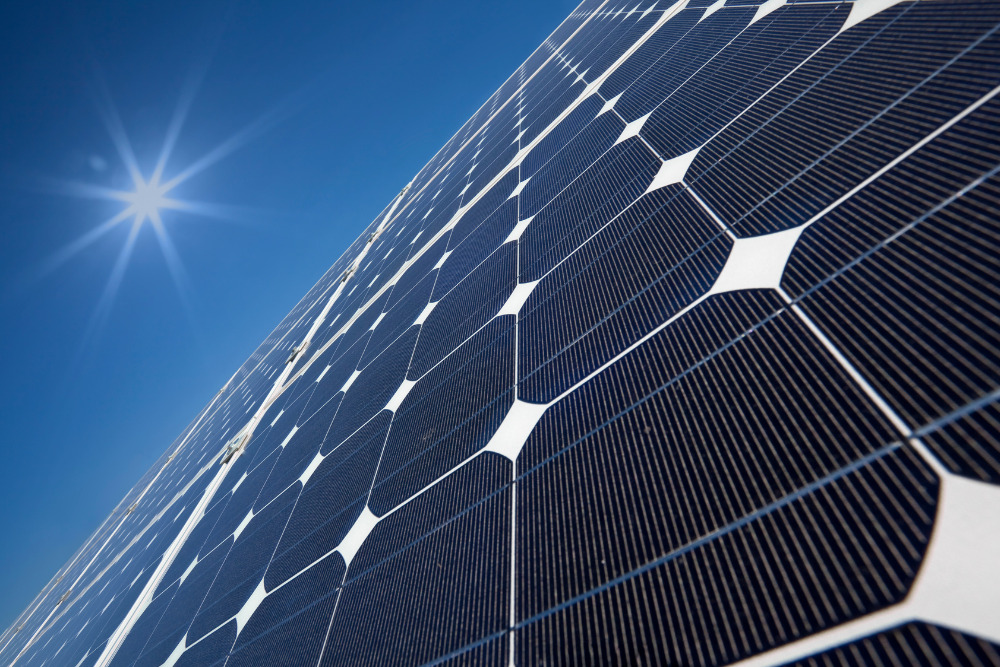
For businesses on the Big Island, investing in commercial solar panels is one of the most effective ways to reduce long-term electricity costs and improve sustainability. With Hawaii’s high energy prices, commercial solar systems can deliver significant financial benefits while supporting clean energy goals.
However, choosing the right commercial solar panels involves more than simply selecting the lowest price. Businesses must consider factors such as efficiency, durability, system design, and integration with energy management systems or battery storage. High-performance panels can maximize energy production and ensure reliable operation for decades, making them a crucial component of any commercial solar installation.
This guide explores the best commercial solar panel options, what makes them durable and efficient, and how Big Island businesses can benefit from advanced solar technologies. Contact us today!
Why Durability Matters for Commercial Solar Panels
Commercial solar installations often operate in demanding environments, especially in coastal regions like Hawaii where equipment is exposed to humidity, salt air, and strong winds. Because of these conditions, durability is a critical factor when selecting solar panels for commercial projects.
Most high-quality commercial solar panels are designed with reinforced frames, tempered glass, and advanced cell technologies that help them withstand environmental stress. Leading manufacturers typically offer 25-year performance warranties, ensuring the panels maintain a high percentage of their original output over time.
Panels with strong degradation resistance can maintain reliable energy production for decades, which is essential for maximizing the return on investment for commercial solar projects.
Efficiency: Maximizing Energy Output for Businesses
Efficiency refers to the percentage of sunlight a solar panel can convert into usable electricity. Higher efficiency panels generate more power from the same amount of roof or land space, making them ideal for commercial buildings with limited installation areas.
Many modern commercial solar panels now reach efficiencies above 22%, with advanced models exceeding 23–24% efficiency, allowing businesses to generate more electricity per panel.
Higher efficiency systems reduce the number of panels required for a project and improve the overall performance of commercial solar installations.
Leading Commercial Solar Panel Technologies
Solar panel technology has evolved rapidly in recent years, providing businesses with several high-performance options.
One of the most advanced technologies is Interdigitated Back Contact (IBC) cell design, used in premium panels that maximize sunlight absorption by removing metal contacts from the front of the panel. This improves efficiency and reduces shading losses.
Another rapidly growing technology is TOPCon (Tunnel Oxide Passivated Contact), which enhances energy conversion and improves performance in high temperatures. TOPCon modules are becoming widely used in commercial installations due to their reliability and strong efficiency ratings.
Heterojunction (HJT) technology is another emerging solution that combines crystalline silicon with thin-film layers, improving energy output while reducing degradation rates over time.
These innovations allow commercial solar panels to deliver higher performance and longer lifespans than previous generations.
Integrating Commercial Battery Storage
Many Big Island businesses are pairing solar installations with commercial battery storage systems to increase energy independence and improve system reliability.
Battery storage allows excess solar energy produced during the day to be stored and used during evening hours or peak demand periods. This reduces dependence on the electrical grid and helps businesses avoid high utility costs during peak pricing times.
Commercial battery systems also provide backup power during outages, ensuring that critical operations can continue without interruption.
Energy Management Systems for Solar Optimization
Energy management systems are becoming an essential part of modern commercial solar installations. These systems monitor energy production, consumption, and storage in real time, allowing businesses to optimize their energy usage.
By integrating solar panels, battery storage, and building energy systems, businesses can improve overall efficiency and reduce energy waste. Smart monitoring tools also allow facility managers to track system performance, identify issues quickly, and maximize long-term energy savings.
Solar Carports for Commercial Properties
Solar carports are an increasingly popular option for businesses on the Big Island that want to generate solar power without using rooftop space.
These structures install solar panels above parking areas, creating shaded parking for vehicles while generating clean electricity. Solar carports are particularly useful for hotels, shopping centers, office buildings, and industrial facilities that have large parking lots.
In addition to energy generation, solar carports can also support electric vehicle charging stations, making them a valuable addition for businesses planning for the future of transportation.
Solar Operations and Maintenance (O&M)
Long-term performance depends not only on panel quality but also on proper solar operations and maintenance (O&M). Regular maintenance ensures that commercial solar systems continue operating at peak efficiency.
O&M services typically include panel cleaning, system inspections, inverter testing, and performance monitoring. These routine checks help detect potential issues early and extend the lifespan of the solar system.
By maintaining their solar installations properly, businesses can protect their investment and ensure consistent energy production over the lifetime of the system.
Conclusion
For Big Island businesses, investing in durable and efficient commercial solar panels offers significant financial and environmental benefits. High-efficiency panels, advanced solar technologies, and integrated energy management systems allow companies to maximize energy production while reducing reliance on expensive grid electricity.
When combined with battery storage, solar carports, and professional solar O&M services, commercial solar systems become powerful tools for improving energy resilience and lowering operating costs.
With the right equipment and a well-designed system, businesses on the Big Island can harness solar energy to create a more sustainable and cost-effective future.


Recent Comments