
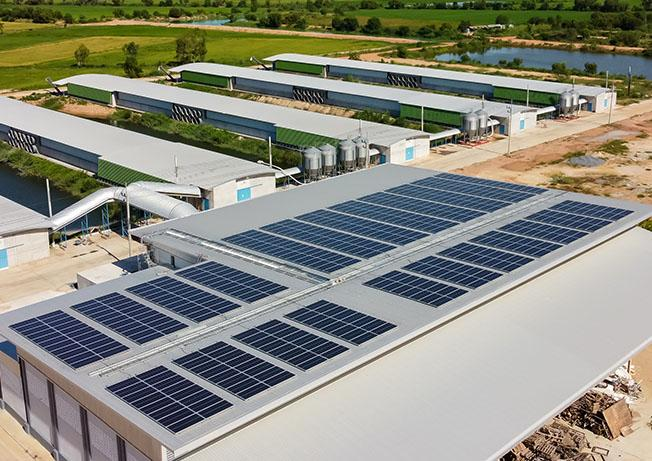
As businesses increasingly adopt solar energy to reduce electricity costs and achieve sustainability goals, managing solar power effectively has become essential. Commercial buildings often operate complex energy systems that include solar panels, grid electricity, battery storage, HVAC systems, and high-energy equipment. Without intelligent coordination, these components may not work together efficiently.
This is where Energy Management Systems (EMS) play a critical role. EMS technology allows organizations to monitor, analyze, and control energy usage across their facilities in real time. By integrating solar generation with building energy consumption, EMS helps businesses maximize the efficiency of their solar installations while minimizing operational costs.
For companies investing in commercial solar, an EMS acts as the “brain” of the energy infrastructure, ensuring that every unit of solar power generated is used as efficiently as possible. Contact us today!
What is an Energy Management System (EMS)?
An Energy Management System (EMS) is a software-based platform designed to monitor, control, and optimize energy security and consumption within a building or facility. It collects data from smart meters, sensors, and connected devices to provide detailed insights into how energy flows through the system.
In commercial solar environments, EMS connects multiple energy resources, including solar photovoltaic (PV) systems, battery storage, and the electrical grid, into a single intelligent network.
How EMS Works in Solar Energy Systems
An EMS continuously gathers real-time data from solar panels, energy meters, and building equipment. This data is analyzed to determine how energy is being generated and consumed at any given moment. The system then automatically adjusts energy distribution to maximize efficiency.
For example, when solar panels generate excess electricity during peak sunlight hours, the EMS may direct that energy to charge batteries, power equipment, or reduce grid consumption.
Core Components of an Energy Management System
Most modern EMS platforms include several key components:
- Smart energy meters that track electricity usage
- IoT sensors that collect performance data
- Software dashboards for energy monitoring
- Automated control systems for load management
- Integration with renewable energy systems and battery storage
Together, these components provide a comprehensive view of a building’s energy performance and enable smarter energy decisions.
Difference Between EMS and Solar Monitoring Systems
Although EMS and solar monitoring systems are often confused, they serve different purposes. Solar monitoring systems primarily track the performance of solar panels and inverters. They provide data about energy production but typically do not control how energy is used.
An EMS goes further by actively managing energy distribution within the building. It analyzes production and consumption data and automatically adjusts operations to improve efficiency and reduce energy costs.
Why Energy Management Systems Are Essential for Commercial Solar
Commercial buildings typically have fluctuating energy demands throughout the day. Offices, warehouses, manufacturing plants, and retail facilities may experience peaks in electricity consumption that do not always align with solar energy production.
Without a management system, this mismatch can result in wasted solar energy or unnecessary reliance on grid electricity.
Challenges in Commercial Solar Energy Management
Some common challenges businesses face when using solar power include:
- Inconsistent solar energy generation due to weather conditions
- Energy consumption peaks outside solar production hours
- Limited visibility into energy usage patterns
- Difficulty managing multiple energy sources
These challenges can reduce the financial benefits of solar installations if they are not properly addressed.
Aligning Solar Power Generation with Energy Demand
Energy Management Systems help align solar energy production with actual building energy demand. By analyzing real-time data, the system determines the most efficient way to distribute electricity across the facility.
For instance, EMS can schedule energy-intensive processes to occur during periods of high solar generation. This ensures that more solar energy is consumed on-site rather than exported to the grid.
Improving Solar Return on Investment (ROI)
Businesses invest in solar energy to reduce long-term energy costs. EMS helps maximize this investment by improving system performance, increasing energy efficiency, and reducing demand charges.
The result is faster payback periods and higher overall returns from solar installations.
Key Roles of EMS in Commercial Solar Optimization
Energy Management Systems perform several critical functions that help optimize commercial solar systems.
Real-Time Solar Energy Monitoring
One of the most valuable features of EMS is real-time monitoring of both solar generation and energy consumption. Facility managers can view energy data through user-friendly dashboards that display system performance metrics.
This visibility allows businesses to identify inefficiencies, detect equipment issues, and track energy savings over time.
Intelligent Load Management for Businesses
Solar energy production varies throughout the day, but building energy demand often remains constant. EMS helps balance these fluctuations by automatically allocating available solar energy to the most important loads.
For example, the system may prioritize solar energy for lighting, cooling systems, or production equipment while limiting non-essential loads.
Battery Storage Integration and Smart Energy Storage
Many commercial solar systems now include battery storage solutions that store excess solar energy for later use. EMS manages the charging and discharging cycles of these batteries to ensure optimal performance.
Excess solar power generated during the day can be stored in batteries and used during evening hours or peak demand periods. This reduces dependence on grid electricity and improves energy resilience.
Peak Demand Reduction and Cost Control
Commercial electricity bills often include demand charges based on the highest level of energy consumption during peak periods. These charges can significantly increase energy costs.
EMS helps reduce peak demand by strategically controlling energy usage during high-demand periods. The system may temporarily reduce non-essential loads or release stored battery power to lower grid consumption.
Predictive Maintenance and Solar System Health Monitoring
Solar energy systems consist of multiple components, including panels, inverters, and electrical wiring. Over time, these components may experience wear or performance issues.
EMS uses advanced analytics to detect irregularities in system performance. If a component begins to underperform, the system can notify facility managers before a failure occurs.
This predictive maintenance approach reduces downtime and extends the lifespan of solar equipment.
Data Analytics and Energy Performance Insights
Modern EMS platforms provide powerful analytics tools that allow businesses to analyze historical energy data and identify long-term trends.
These insights help organizations optimize building operations, improve energy efficiency, and make informed decisions about future energy investments.
Benefits of Energy Management Systems for Commercial Buildings
Implementing an Energy Management System provides several significant benefits for businesses using solar power.
Increased Solar Energy Utilization
EMS ensures that solar energy generated on-site is used as efficiently as possible rather than wasted or exported unnecessarily.
Lower Electricity Costs for Businesses
By optimizing energy usage and reducing peak demand charges, EMS can significantly lower monthly electricity bills.
Faster Payback Period for Solar Investments
When solar energy is used more efficiently, businesses recover their investment costs faster and achieve higher long-term savings.
Improved Energy Reliability and Grid Independence
Integration with battery storage systems allows businesses to maintain power during outages and reduce reliance on the utility grid.
Support for Corporate Sustainability Goals
EMS helps companies track their renewable energy usage and carbon reduction efforts, supporting sustainability initiatives and environmental certifications.
How EMS Improves Solar Efficiency in Commercial Facilities
Energy Management Systems enhance solar efficiency by ensuring that energy consumption patterns align with solar generation.
Optimizing Energy Consumption Patterns
EMS analyzes historical energy data to identify patterns in electricity usage. Based on these insights, businesses can adjust operations to maximize solar energy utilization.
Automated Energy Distribution
Instead of relying on manual adjustments, EMS automatically directs energy where it is needed most. This automation reduces energy waste and improves operational efficiency.
Smart Control of HVAC and Industrial Equipment
Heating, ventilation, and air conditioning (HVAC) systems often account for a large portion of commercial energy consumption. EMS can optimize HVAC operation by adjusting settings based on occupancy, weather conditions, and solar generation levels.
Future Trends in EMS for Commercial Solar Systems
Energy Management Systems are rapidly evolving as new technologies emerge.
Artificial Intelligence in Energy Management
AI-powered EMS platforms can predict energy demand based on historical data, weather forecasts, and operational schedules. This allows businesses to optimize energy usage even more effectively.
Cloud-Based Energy Monitoring Platforms
Cloud-based EMS solutions allow facility managers to monitor and control energy systems remotely from anywhere.
Smart Microgrids and Distributed Energy Systems
Many commercial facilities are adopting microgrids that combine solar power, battery storage, and backup generators. EMS acts as the central controller that manages energy flow between these resources.
Integration with Electric Vehicle Charging Infrastructure
As electric vehicle adoption grows, EMS systems are being integrated with EV charging stations to manage charging schedules and balance energy demand.
Conclusion
Energy Management Systems have become an essential tool for businesses seeking to maximize the benefits of commercial solar energy. By providing real-time monitoring, intelligent load management, predictive maintenance, and advanced analytics, EMS enables organizations to use solar power more efficiently.
Companies that integrate EMS with their solar infrastructure can significantly reduce energy costs, improve system reliability, and accelerate the return on their renewable energy investments.
As the demand for sustainable energy solutions continues to grow, EMS technology will play a crucial role in helping businesses build smarter, more efficient, and environmentally responsible energy systems.
Frequently Asked Questions About Energy Management Systems
What is an Energy Management System in solar power?
An Energy Management System is a software platform that monitors and optimizes energy generation and consumption within a facility, especially when integrated with renewable energy sources like solar panels.
How does EMS improve commercial solar efficiency?
EMS improves efficiency by managing energy loads, storing excess solar energy in batteries, reducing peak demand, and optimizing energy distribution throughout the facility.
Can EMS reduce electricity costs for businesses?
Yes. By optimizing solar energy usage and reducing reliance on grid electricity during peak demand periods, EMS can significantly lower electricity costs.
Is EMS necessary for commercial solar installations?
While not mandatory, EMS greatly improves the performance, efficiency, and financial returns of commercial solar systems.
Does EMS work with solar battery storage systems?
Yes. EMS integrates with battery storage systems to store excess solar energy and release it when energy demand is high or solar production is low.


Recent Comments